Boating Accidents: How we help

Founder & Principal Attorney
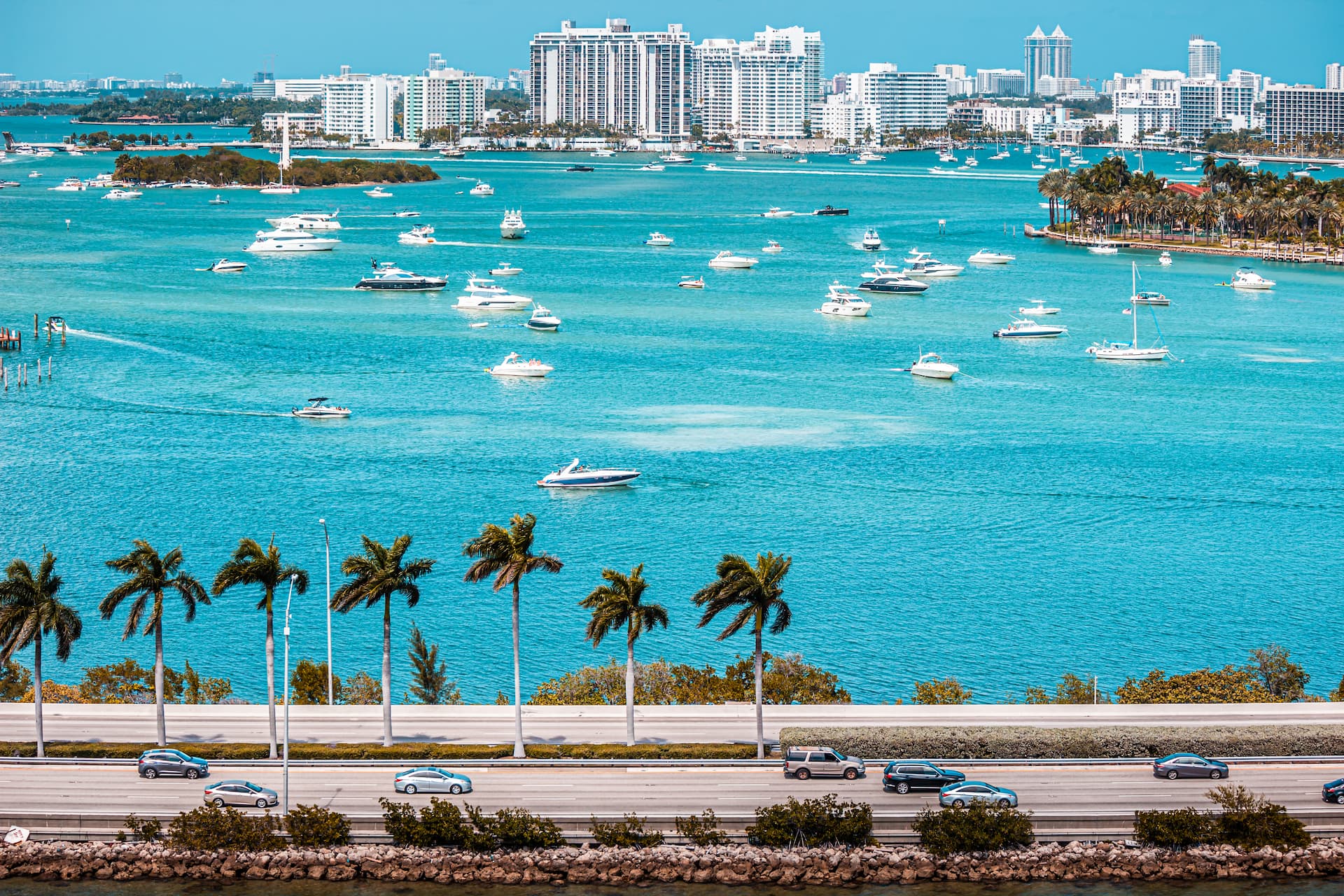
South Florida has one of the highest concentrations of recreational boating anywhere in the country, and a large share of the people on the water on any given weekend have very little training. That combination produces predictable results.
Why Water Cases Are Different
Boating incidents are unlike road collisions in ways that matter practically.
There are no lanes, no signals, and no fixed reference points. There is rarely an immediate official response, and often no scene to return to — the water closes over everything, debris drifts, and vessels move. Witnesses are on other boats and leave without exchanging information. There are no cameras at the intersection because there is no intersection.
Investigating means working from vessel damage, GPS and chartplotter data, marina and ramp records, and marine traffic information rather than from skid marks and street cameras.
Operator Inexperience and Alcohol
Two factors dominate the cases we see.
Many operators have minimal training. Rental vessels in particular are frequently handed to people with no meaningful experience after a brief orientation, and the same applies to personal watercraft. Judging distance, speed, wake, and stopping on water is not intuitive.
Alcohol is present far more often than on the road. It is normalized on the water in a way it is not in a car, it affects balance and judgment more quickly in sun and motion, and it impairs the operator on whom everyone aboard depends.
Who May Be Responsible
Beyond the operator, several parties can be involved depending on the circumstances.
The vessel's owner, where someone else was operating it. A rental or charter company, in relation to how it screens, instructs, and maintains. A captain or crew on a chartered vessel. A marina responsible for docks, fueling, or servicing. A manufacturer, where equipment failed.
Establishing ownership, insurance, and the arrangements between these parties takes work, and it is not information available from the roadside because there is no roadside.
Preserving What Exists
The evidence in these cases has a very short life, and much of it is in the hands of people who leave.
Photograph vessel damage before repairs, and photograph the conditions if you are able. Get names and contact details from anyone on any boat nearby before they depart. Note the vessel's registration numbers and, if it was a rental, the company and the agreement. Modern electronics store track and speed history that can be decisive, and it is worth having someone request it before a unit is reset or a vessel is sold.
Marinas and rental operators keep records of who took what out and when, along with maintenance histories.
Rental and charter agreements are worth keeping a copy of, along with any waiver presented before departure. Operators frequently point to such documents afterward, and how much weight they carry depends heavily on the circumstances and on what actually went wrong. Having the document is the starting point for answering it, and copies are much easier to obtain on the day than months later.
Passengers, Swimmers, and Divers
Passengers injured aboard are generally in a strong position, since they were not operating anything and the question is usually the severity of what happened rather than fault.
People in the water are a different and often more serious category. Propeller injuries are catastrophic. Swimmers and divers struck by vessels frequently involve questions about lookout, speed near shore, and whether a dive flag was displayed and respected. These cases require rapid investigation because the vessel involved sometimes does not stop.
Reporting and Agencies
Serious incidents on the water are reported to and investigated by marine agencies rather than local police, and their reports become important records.
We obtain those materials and follow any investigation, while pursuing our own where it is needed. Agency processes answer their own questions on their own timeline, and evidence relevant to an injured person can be released or lost while everyone waits for a conclusion.
Wake, Anchoring, and Injuries Without Collisions
A great many boating injuries involve no collision at all, and people frequently assume nothing can be done about them.
Excessive wake throws passengers on nearby vessels, causing spinal compression injuries and fractures, particularly to people seated forward. Passengers are injured boarding and disembarking at docks. People fall on wet decks with inadequate handholds. Anchor and line handling causes crush and entanglement injuries.
These are as legitimate as any collision case. The questions are about how the vessel was operated, whether passengers were warned, and whether the boat was adequately equipped for what it was being used for.
Charters, Crew, and Commercial Vessels
Where a vessel is operated commercially, the analysis changes considerably.
Charter fishing boats, dive operators, party boats, water taxis, and tour vessels carry paying passengers, and the arrangements around crew, licensing, and safety equipment are different from a friend taking people out for the afternoon. Injuries to crew members raise a further set of questions entirely.
If you were hurt on a vessel you paid to be aboard, mention that early. It changes which records exist and who is likely to be responsible.
Working With Our Firm
We handle boating and watercraft injury claims on contingency, so there is no fee to speak with us and no attorney fee unless we recover. We represent people injured on the water throughout South Florida, in English and Spanish.
If you were hurt on a boat or by one, call quickly. Vessels get repaired, rentals go back into service, and the people who saw it are frequently visitors who will not be here next week.