Amputation Injuries: How we help

Founder & Principal Attorney
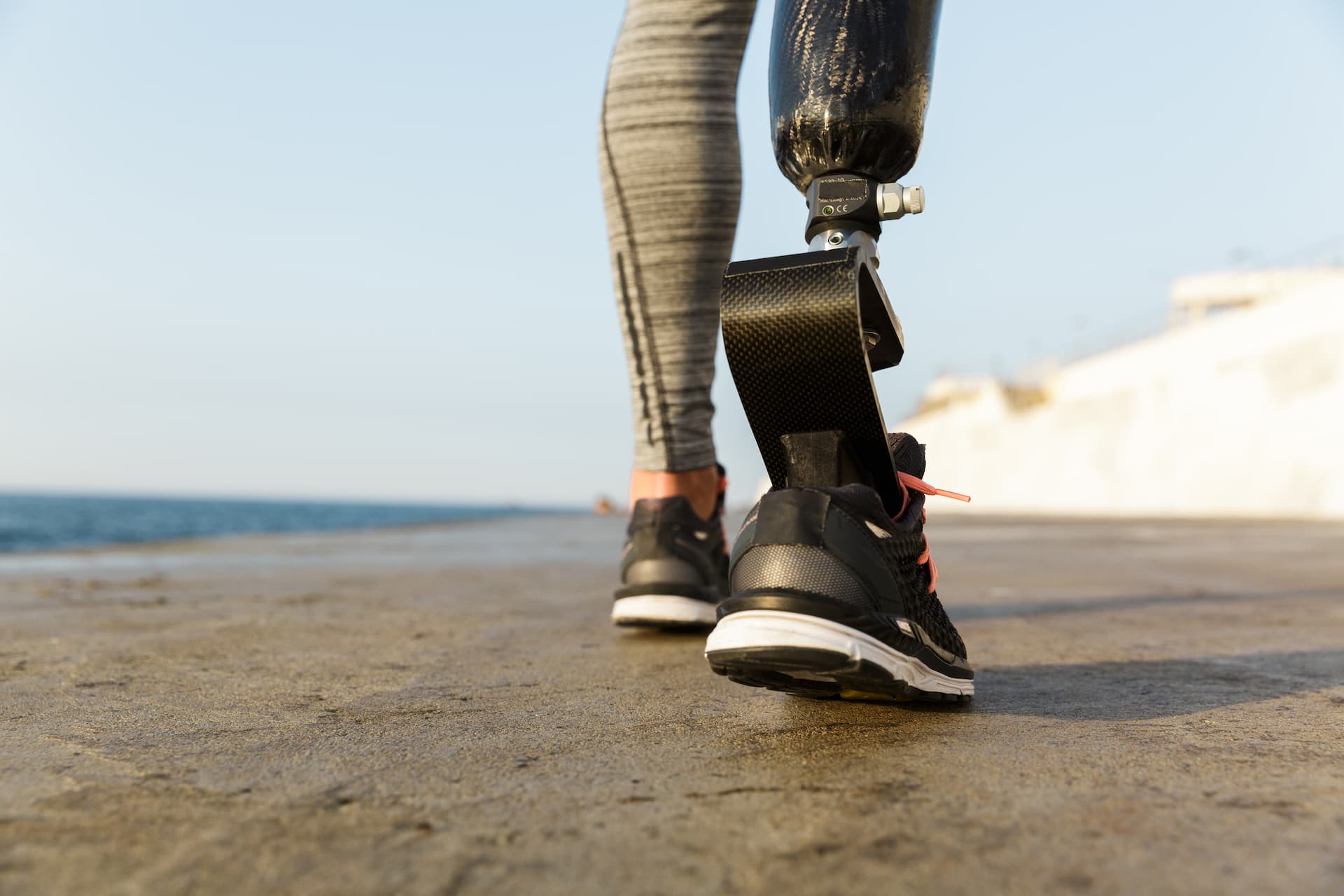
Losing a limb changes how a person does nearly everything, permanently. These cases require understanding both the medical reality of living with amputation and the very large long-term costs that follow it.
Traumatic and Surgical Amputation
Amputations arise in different ways, and the distinction matters to how a case is examined.
Some are immediate — a limb lost in machinery, a crash, or an industrial incident. Others are surgical decisions made afterward, when a limb cannot be saved, when infection cannot be controlled, or when repeated reconstruction fails and amputation becomes the better option.
Where amputation follows a period of attempted salvage, the case includes that entire ordeal: the surgeries, the hope, and the eventual decision. That period is part of the harm, not a preamble to it.
Prosthetics Are a Recurring Cost, Not a Purchase
The most common and most consequential error in valuing these cases is treating a prosthesis as a one-time expense.
Prosthetic devices wear out and are replaced on cycles measured in years, and a person injured in their thirties will go through many across a lifetime. Sockets require refitting as the residual limb changes, which happens continuously in the early period and periodically thereafter. Components need maintenance and repair. Technology advances, and what is appropriate care changes with it.
People frequently need more than one device — a general-purpose prosthesis plus something suited to specific work or activity. Establishing what a lifetime of appropriate prosthetic care costs requires specialists who do this work, and it is a substantially larger figure than a single device suggests.
The Body Compensates, and That Has Consequences
Living with an amputation places demands on the rest of the body that produce their own problems over time.
Gait changes after a lower limb amputation load the remaining limb, hips, and spine differently, and degenerative problems follow. Upper limb amputation shifts everything to the other side, with overuse injuries as a result. Residual limb pain and phantom limb pain are common and can persist indefinitely. Skin breakdown at the socket interface is an ongoing risk.
These downstream effects are foreseeable and belong in a projection of future needs, though they are easy to omit if nobody thinks past the initial injury.
Adaptation, and What It Does Not Restore
People adapt remarkably, and it is important that adaptation not be used against them.
Someone who has learned to manage well is not someone who was not badly hurt. They have absorbed a permanent loss and done substantial work to build a functional life around it, often at a cost in time, effort, and fatigue that is invisible from outside.
We document what daily tasks now require, what has been given up, and what the adaptation itself costs in energy and effort. Insurers sometimes point to a person's competence as evidence of a lesser injury. That reasoning deserves to be met directly.
Work and Identity
Amputation frequently ends a particular career, and for people in physical trades that career may have been decades in the making and closely tied to who they are.
Retraining is possible and often the right path, but it takes time, it may lead to lower earnings, and it is not a neutral event. We work with vocational specialists to establish realistically what work remains available and what has been lost, rather than accepting an optimistic assumption on either side.
Phantom Limb and Chronic Pain
Pain after amputation is common, frequently persistent, and poorly understood by people who have not encountered it.
Phantom limb sensation and pain can continue indefinitely and are entirely real, arising from the nervous system rather than from the missing limb. Residual limb pain from neuromas, bone spurs, or poor socket fit adds another layer. Both can interfere with sleep, concentration, and the ability to tolerate a prosthesis at all.
Because there is nothing visible to point at, this is territory where claims get minimized. Consistent documentation with clinicians who treat amputees matters.
The Psychological Side
Losing a limb involves a significant adjustment that is not simply a matter of attitude, and it deserves to be treated as part of the injury rather than as a separate matter.
Grief for the limb and for the life that came with it is normal. Body image, intimacy, and confidence in public are all commonly affected. Some people experience symptoms consistent with trauma, particularly where the amputation followed a violent event.
Treatment helps, and it belongs in the record. Nobody should feel that raising it undermines the seriousness of the physical injury, because it does not.
Children and Growing Limbs
An amputation in childhood is a different case from the same injury in an adult, and considerably more involved over time.
A growing child needs prosthetic replacement far more frequently, at every stage of growth rather than on an adult cycle. The residual limb changes as the child develops, sometimes requiring further surgery. Needs shift as the child moves through school, sport, and eventually work.
The lifetime cost is correspondingly higher, and projecting it requires specialists experienced with pediatric amputation rather than adult assumptions applied to a smaller person.
Working With Our Firm
We handle amputation cases on contingency — no fee to talk, no attorney fee unless we recover for you. We represent injured people throughout Miami-Dade and Broward, in English and Spanish.
If you have lost a limb because of someone else's negligence, make sure the lifetime cost is properly established before anything is resolved. That calculation is the case.