Brain Injury: How we help

Founder & Principal Attorney
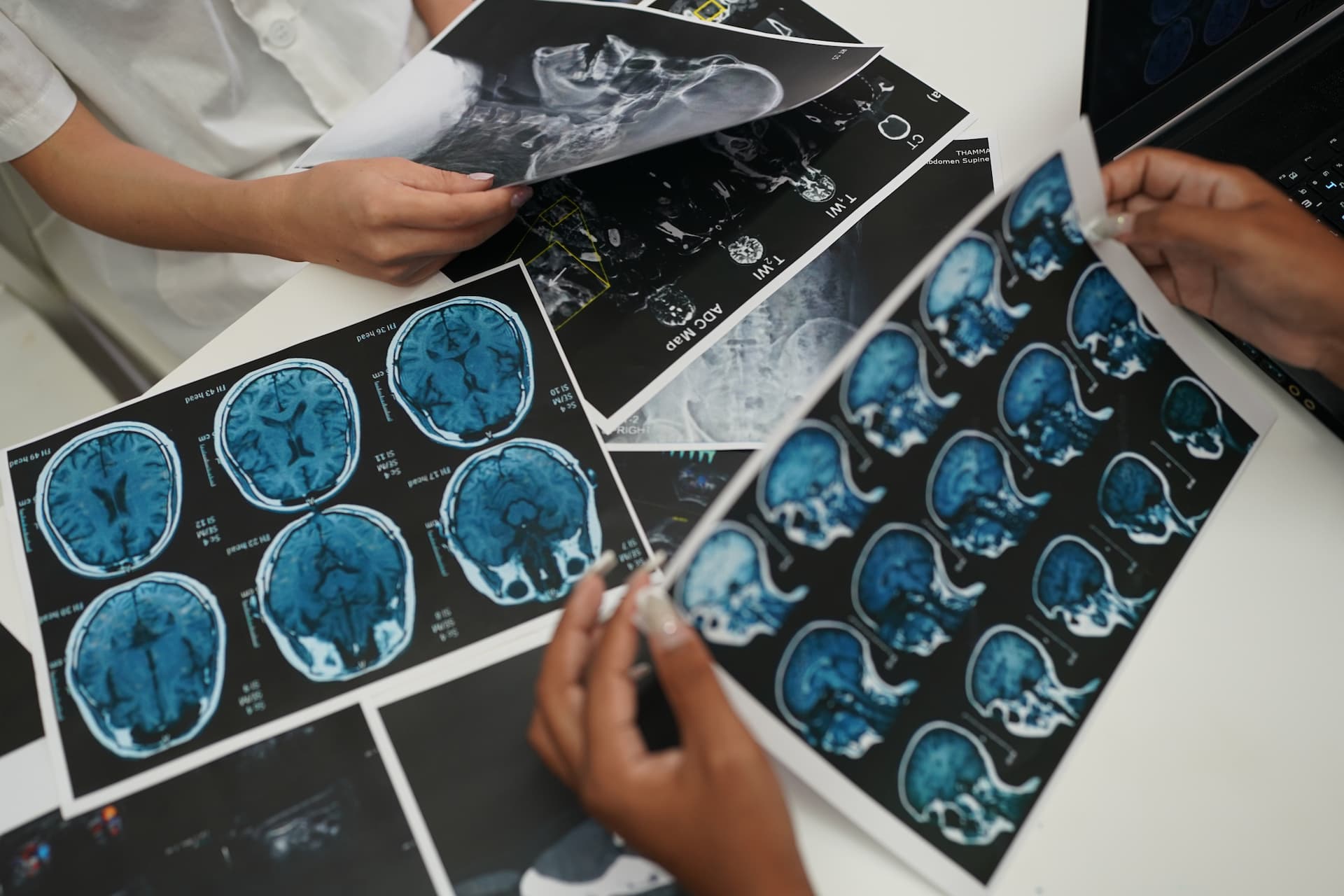
Brain injuries are the injuries people most often fail to recognize in themselves. There is frequently no visible wound, imaging may come back unremarkable, and the person affected is often the last to understand that something has changed.
The Injury That Gets Missed
A great many brain injuries are never diagnosed at the scene. There may be no loss of consciousness at all, or only briefly. The person answers questions, declines an ambulance, and goes home.
The symptoms surface over the following days and are easy to attribute to something else. Headaches. Difficulty concentrating. Losing words mid-sentence. Light and noise becoming intolerable. Sleep disrupted. Irritability that seems out of proportion. Fatigue that rest does not fix.
People assume they are stressed, or tired, or simply shaken up. Family members frequently notice before the injured person does, which is why we ask to hear from partners and relatives as well.
When the Scan Comes Back Normal
The most damaging misunderstanding in these cases is that a normal CT scan means there is no injury.
Standard emergency imaging is looking for bleeding and swelling — findings that require immediate intervention. It is not designed to detect the diffuse damage that produces persistent cognitive symptoms, and a scan can be entirely unremarkable in someone whose life has meaningfully changed.
Insurers use normal imaging heavily, because to a non-specialist it sounds conclusive. Answering it takes specialized evaluation — neuropsychological testing that measures function directly, assessment by specialists who work with these injuries routinely, and sometimes advanced imaging that ordinary emergency protocols do not include.
Proving Change Requires Knowing the Before
Cognitive symptoms are only meaningful relative to how someone functioned previously, and that baseline is rarely documented anywhere.
We build it from what exists. Work records and performance reviews. Academic history. Accounts from people who knew the person well enough to describe specific, concrete differences — not "he seems off" but that he can no longer follow a recipe he cooked for years, or needs written instructions for a task he used to do from memory.
Those specifics are far more persuasive than general descriptions, and they are much easier to gather while they are fresh.
The Symptoms People Are Reluctant to Report
Some effects go unmentioned because they are embarrassing or frightening to say aloud.
Personality change is common and profoundly difficult. A patient person becomes short-tempered. Someone social withdraws. Emotional regulation slips, and small frustrations produce reactions that would never have happened before. Relationships suffer, and the injured person often knows something is wrong without being able to name it.
These effects belong in the record. They are among the most disabling consequences of brain injury and among the least visible in medical documentation, which tends to capture what was asked about rather than what was hardest to say.
Recovery Is Not a Straight Line
Brain injury recovery is uneven. There are better weeks and worse ones, and a good stretch does not mean the injury has resolved.
This is worth understanding before any settlement discussion. A person feeling better in month four may still face lasting limitation, and that is a difficult thing to have discovered after resolving a claim. Consistent follow-up with appropriate specialists matters both for treatment and for having a record that reflects the actual trajectory rather than a snapshot.
Returning to Work Too Soon
People with brain injuries frequently attempt to return to work before they are ready, because they need the income and because the injury itself can impair judgment about their own capacity.
That return often goes badly, and it goes badly in ways that get misread. Performance drops, mistakes accumulate, conflicts arise with colleagues. The person may be disciplined or let go, and the record then shows a performance problem rather than a medical one.
If you have gone back and are struggling, say so early. Documenting the connection while it is happening is far easier than reconstructing it after a termination.
Children and Brain Injury
A brain injury to a child raises questions that do not arise with adults, because the effects unfold as the child develops.
Damage may not become apparent for years, surfacing as a child reaches an age where skills that were expected fail to appear. School performance, attention, and behavior can change in ways easily attributed to something else. Assessing a child's injury properly means looking forward across their development rather than testing once and concluding.
These cases need particular care in projecting what a lifetime will require, and settling one early is especially risky.
Sleep, Mood, and What Gets Dismissed
Two of the most common consequences of brain injury are the ones most likely to be attributed to something else entirely.
Sleep disruption is nearly universal and compounds everything — fatigue worsens concentration, which worsens mood, which further disrupts sleep. Depression and anxiety are common after brain injury, both as a direct effect and as a reasonable response to what has happened.
Insurers frequently characterize these as pre-existing or unrelated. They belong in the record and in the claim, and they should be treated by clinicians who understand brain injury rather than in isolation.
Working With Our Firm
We handle brain injury claims on contingency, with no fee to talk and no attorney fee unless we recover for you. We work across Miami-Dade and Broward, in English and Spanish.
If you or someone close to you has not been the same since a head injury, call us — including if you were told at the time that everything looked fine.