Burn Injuries: How we help

Founder & Principal Attorney
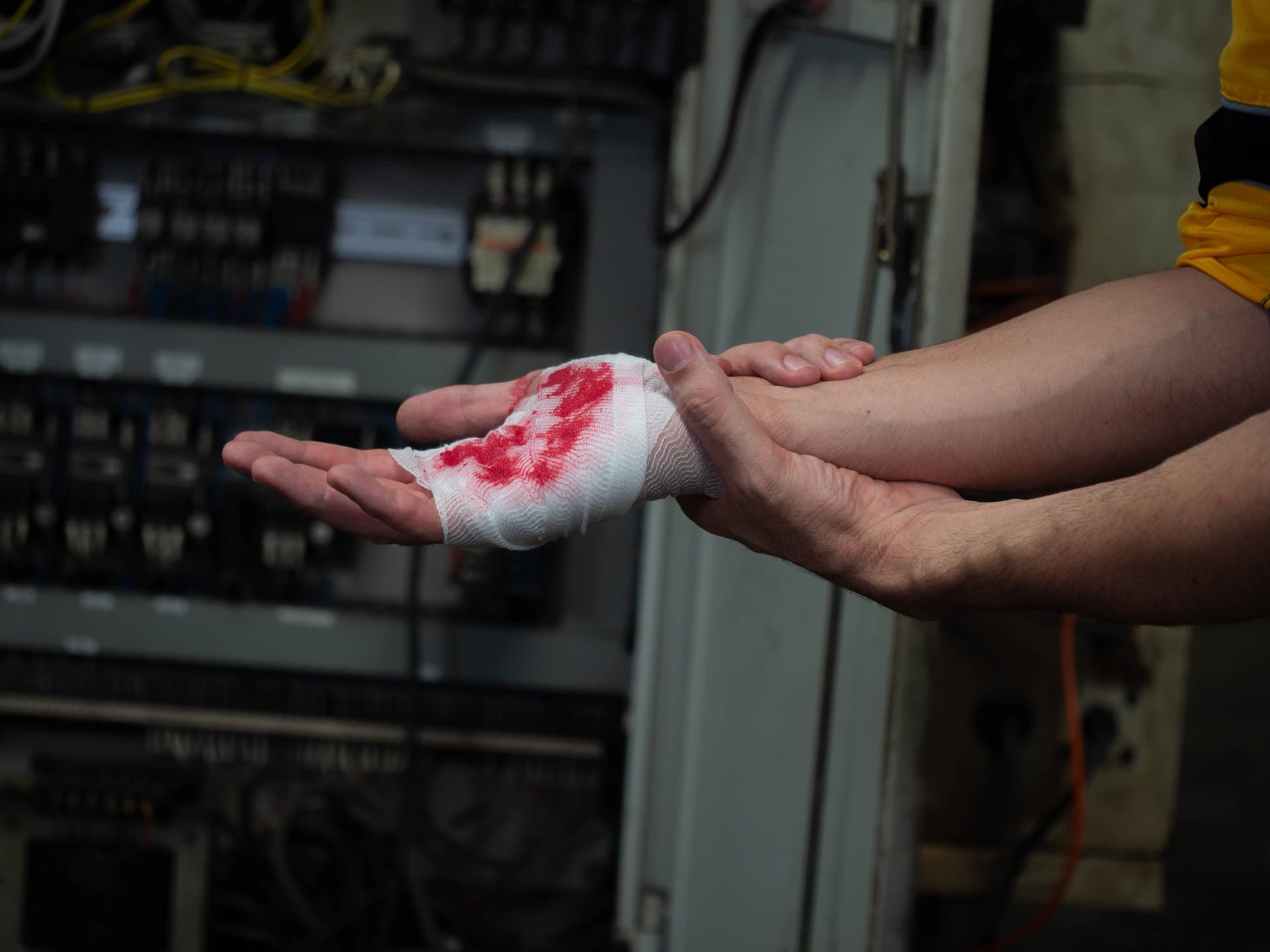
Burns are among the most painful injuries a person can survive, and among the longest to treat. Recovery is measured in years, and it involves procedures that continue long after the original wound has closed.
Degree, Depth, and Extent
Burn severity is described in ways that are easy to misread, and the terminology matters when a claim is being evaluated.
Depth determines what treatment is required — whether a burn will heal on its own, or requires grafting, and whether structures beneath the skin are involved. Extent, expressed as a percentage of body surface, drives the systemic risk. Location matters independently: burns to hands, face, and joints have functional consequences out of proportion to their size.
A relatively small burn across a joint can be more disabling than a larger one elsewhere, because scar tissue contracts and restricts movement. That is not obvious from a percentage figure, and it is frequently underestimated.
How These Injuries Happen
Burns arrive through several distinct mechanisms, and each points at different responsible parties.
Thermal burns from fire, steam, and hot surfaces or liquids. Chemical burns from industrial and cleaning products, which continue to damage tissue until fully neutralized. Electrical burns, which are deceptive because the visible wound at entry and exit conceals extensive damage along the path through the body. Scalds, which disproportionately affect young children. Radiant burns from explosions and flash fires.
Depending on the mechanism, responsibility may sit with a property owner, an employer, a product manufacturer, a utility, or a contractor.
Treatment That Does Not End
Burn care is a long sequence rather than an episode, and settling before it plays out is a serious mistake.
The acute phase involves wound care, debridement, infection control, and often grafting. Grafting itself creates a second wound at the donor site. Then comes an extended period of pressure garments, splinting, and physical and occupational therapy to limit contracture, frequently for a year or more. Reconstructive and scar revision surgery typically cannot begin until scarring has matured, which takes a year or longer, and is often staged across several procedures.
A settlement in month three cannot possibly account for a course of treatment that will run for years.
Scarring, Appearance, and Daily Life
Burn scarring is permanent and visible, and its consequences extend well past the medical.
Scar tissue does not behave like skin. It contracts, restricting movement across joints. It does not sweat, which affects temperature regulation in a climate like this one. It is frequently painful and itchy long after healing, and it is sensitive to sun in a place where sun is difficult to avoid.
The social effects are real. Visible scarring affects how people are treated, what someone is willing to wear, whether they are comfortable at a beach or a pool, and how they feel about being seen. This belongs in a claim, and it is routinely undervalued because it does not appear on a bill.
Children and Scald Injuries
A large proportion of serious burns involve young children, most often scalds from hot liquids.
These cases require particular care in projecting the future, because scar tissue does not grow with a child. As the child develops, contractures worsen and further surgery is needed at intervals through their growth. A burn sustained at three may require procedures into adulthood.
Where a child is involved, resolving a claim before that trajectory is understood is especially risky, and there are additional requirements around settlements for minors that we handle for families.
Psychological Effects
Burns are traumatic in a way that goes beyond the physical injury, and this deserves treatment rather than endurance.
Symptoms consistent with post-traumatic stress are common, particularly where the burn occurred in a fire or explosion. So are anxiety, avoidance of the setting where it happened, and difficulty with appearance-related distress. Children may regress or develop specific fears.
We make sure this is documented and treated as part of the injury, because it frequently persists after the wounds have closed.
Where Serious Burns Happen
The settings recur, and each points at different responsibility.
Workplaces, particularly kitchens, industrial sites, and any work involving electricity or chemicals. Residential fires, which raise questions about smoke alarms, wiring, appliances, and in rental property the condition of the building. Defective products, especially anything containing a lithium battery, which fails suddenly and burns extremely hot. Vehicle fires after collisions. Hot liquids in restaurants and cafes. Chemical exposure from cleaning and pool products.
Where a burn occurred somewhere you were a tenant, a customer, or a worker, there is usually a party responsible for the condition that caused it.
Documenting a Burn Over Time
Burns change more dramatically over the course of healing than almost any other injury, and photographs taken only at the start capture very little of it.
Photograph at the outset if possible, then consistently through treatment — after debridement, after grafting, at the donor site, and as scarring matures over the following year. Similar lighting and angles make the series far more useful.
Keep a record of what treatment involved as well. The daily reality of dressing changes and therapy is difficult to convey from clinical notes alone, and it is a substantial part of what a burn actually costs someone.
Working With Our Firm
We handle burn injury cases on contingency, so there is no fee to talk with us and no attorney fee unless we recover for you. We work throughout Miami-Dade and Broward, in English and Spanish.
If you or your child sustained a serious burn, do not resolve anything before the full course of treatment is understood. With burns, that gap between early offer and eventual reality is wider than in almost any other injury.