Construction Accidents: How we help

Founder & Principal Attorney
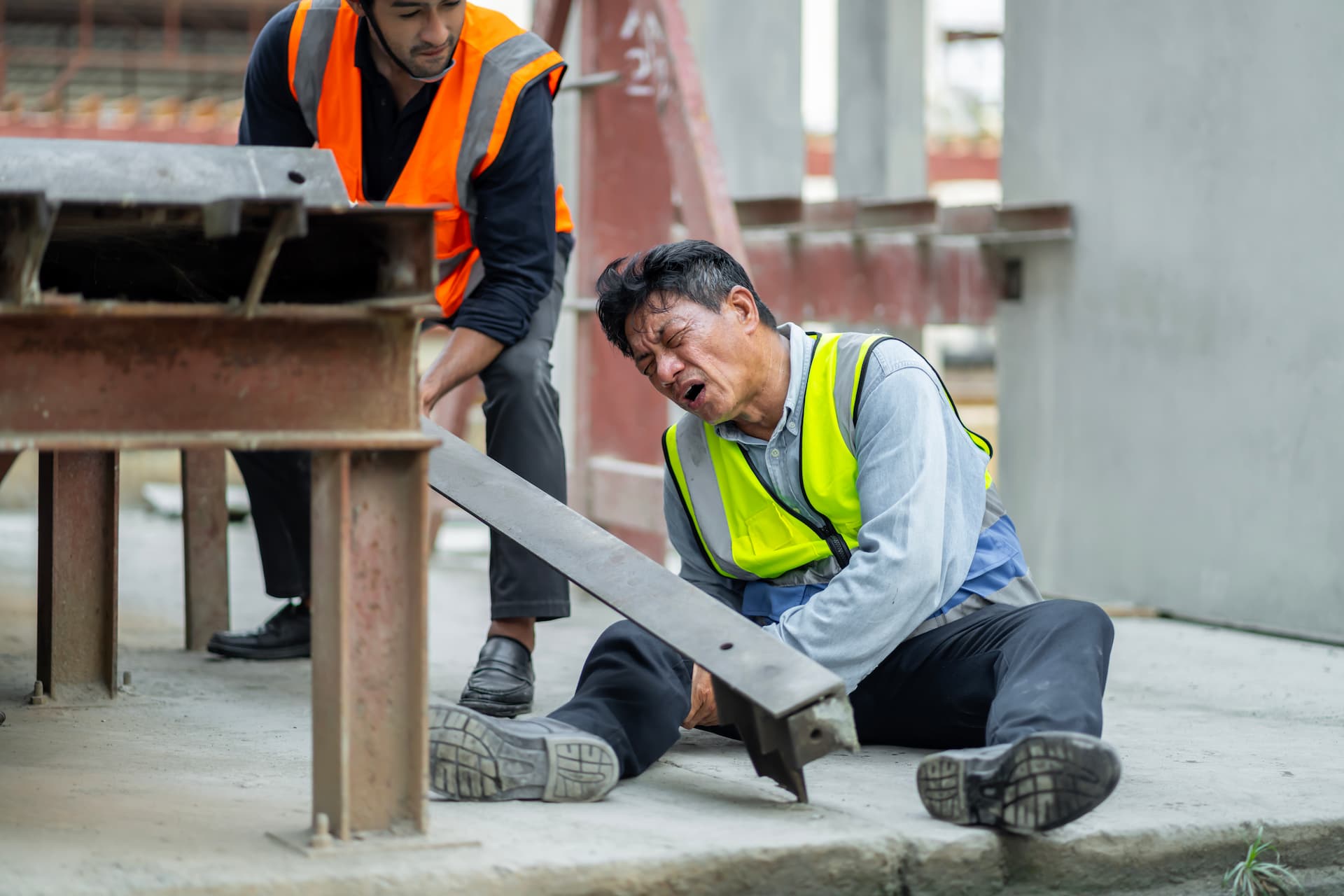
A construction site is one of the few places where the scene of an injury is deliberately altered every single day. That fact shapes everything about how these cases have to be handled.
The Site Will Not Look the Same Next Week
On most sites the work continues within hours of an incident. Scaffolding is repositioned, excavations are filled, materials are moved, and the floor someone fell through is closed up. Within a month the location may be structurally unrecognizable.
This makes construction cases unusually time-sensitive. Photographs taken in the first days are worth more than any amount of later reconstruction, and daily reports, progress photographs, and inspection records become the only remaining evidence of what conditions were. We pursue those immediately, because unlike the site itself, paperwork can still be obtained months later if you know it exists and ask for it correctly.
Who Was Actually in Control
Construction responsibility is layered, and identifying the right parties is most of the early work.
There is typically an owner, a general contractor, and any number of subcontractors, each responsible for their own trade and sometimes for shared conditions. Equipment may be rented from a supplier. Engineering and design sit with other firms entirely. Staffing agencies may have placed workers who take direction from someone who does not employ them.
The person injured usually has no visibility into these arrangements, and the company whose name is on the fence is frequently not the one whose decisions created the hazard. Contracts, site agreements, and safety plans establish who was responsible for what, and we obtain them rather than guessing.
Injuries That Recur on Sites
The mechanisms repeat: falls from height, falling objects, trench and excavation collapse, electrical contact, being caught in machinery, and being struck by vehicles or equipment operating in tight space.
Each raises its own questions. A fall points at fall protection, guardrails, and hole coverings, and who was responsible for providing and inspecting them. A struck-by injury raises signaling, spotters, and traffic control. Machinery cases raise guarding, lockout procedures, and training. Knowing which questions belong to which mechanism is what makes the difference between a thorough investigation and a superficial one.
Records Created by the Site Itself
Active sites generate substantial documentation, most of which is not written with a claim in mind and is therefore relatively candid.
Daily logs record what work happened where. Toolbox talks show what hazards were being discussed. Inspection reports show what was flagged. Incident reports show what happened before, and prior incidents of the same type at the same site are significant. Progress photography, now nearly universal, often captures conditions incidentally.
Assembling this record is where these cases are made, and much of it is held by companies with no obligation to volunteer anything.
Workers and Non-Workers
Two quite different groups get hurt on sites, and they are in different positions.
Workers injured on site may have a workplace claim and, where another company on the site contributed, potentially something alongside it. That combination is common in construction precisely because so many separate companies share one space.
People who do not work in construction at all are also injured by sites — pedestrians struck by falling material, drivers in poorly managed work zones, neighbors affected by adjacent operations. Those claims run against whoever was responsible for the condition.
Safety Requirements and the Site's Own Rules
Beyond general obligations, most sites operate under their own written safety plan, and that document is useful precisely because the company wrote it.
Site safety plans specify what protection is required for particular tasks, who is responsible for inspecting it, and how often. Where an injury happened in circumstances the plan itself addresses, the gap between the written procedure and what actually occurred is documented by the company's own paperwork.
We request these plans as a matter of course, along with the records showing whether the inspections they require were actually performed.
Undocumented and Day-Labor Workers
A significant part of the construction workforce here is worried that raising an injury will create problems beyond the injury itself.
We have this conversation regularly, and it is confidential. What we can say is that fear of consequences keeps many people from getting treatment for injuries that then become permanent, and that the fear is often broader than the reality. Speaking with us costs nothing and commits you to nothing.
We work in Spanish as readily as English, and you can ask whatever you need to before deciding anything.
Falls, and Why They Dominate These Cases
Falls from height account for a disproportionate share of serious construction injuries, and they follow recognizable patterns.
Unprotected edges and openings. Scaffolding that was incomplete, improperly assembled, or modified by another trade. Ladders used where a different means of access was required. Fall arrest equipment that was unavailable, unusable, or had nowhere adequate to anchor.
Each of those points at a specific responsibility held by a specific party, which is why establishing exactly how a fall happened matters as much as establishing that it did.
Working With Our Firm
We review construction injury cases at no cost and take them on contingency, so there is no attorney fee unless we recover for you. We represent workers and members of the public throughout Miami-Dade and Broward, in English and Spanish.
If you were hurt on or near a construction site, call quickly. The site is changing while you are deciding.