Elder Abuse: How we help

Founder & Principal Attorney
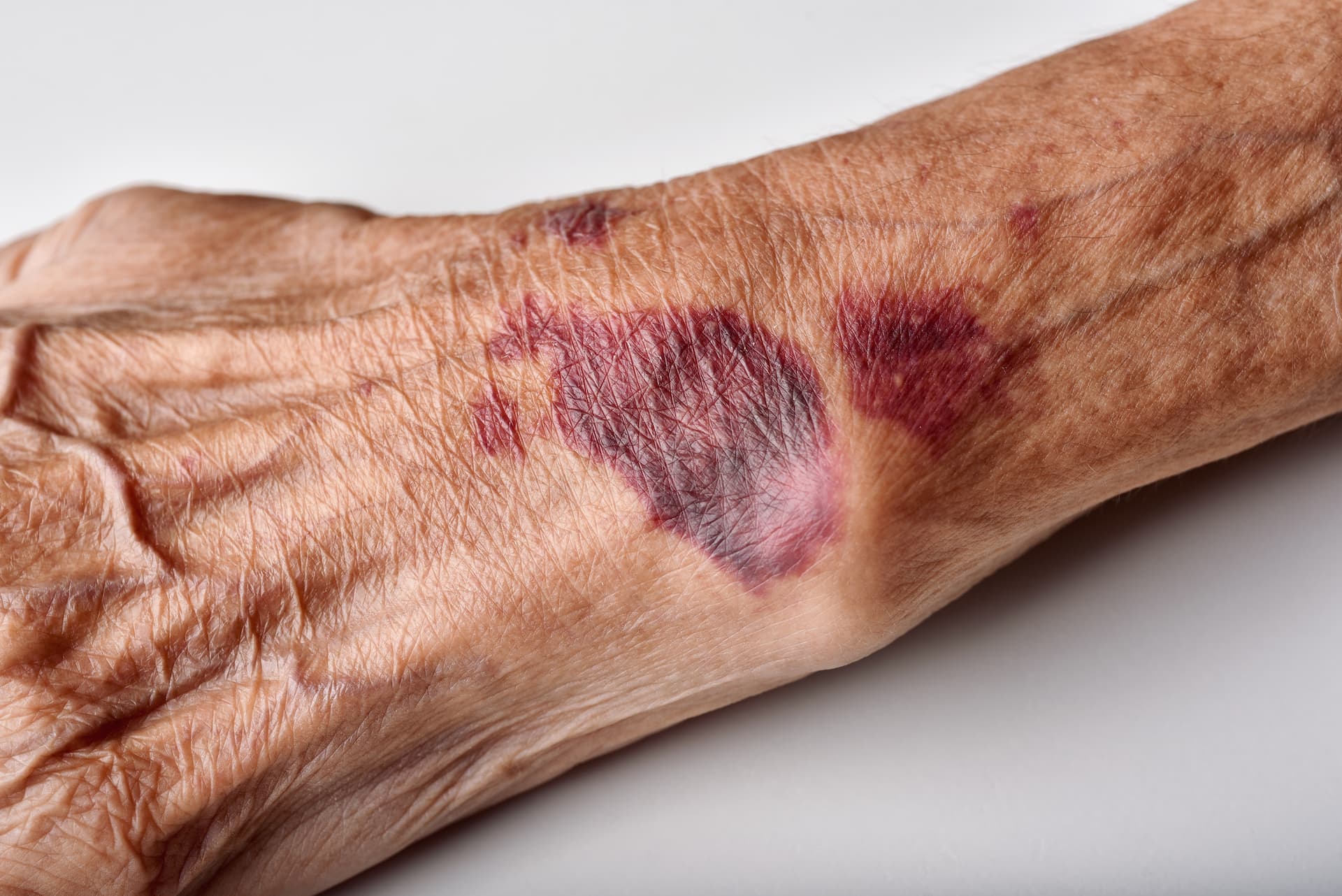
Families who contact us about an older relative usually begin by apologizing for wasting our time. They noticed something, they are not certain, and they are worried about causing trouble over nothing. That instinct is exactly backwards, and it is worth saying so at the start.
Why Families Hesitate
Elder abuse is rarely obvious. It surfaces as a series of small things that individually have explanations — a fall nobody mentioned, weight loss attributed to age, a relative who has become withdrawn, money that has moved.
Families also hesitate because raising a concern feels like an accusation against people providing care, or against a relative. And older adults themselves frequently do not report, out of embarrassment, fear of losing independence, or dependence on the person responsible.
If something feels wrong to you, it is worth having someone look. Being told there is nothing here costs you nothing.
What This Covers
Elder abuse takes several forms and they frequently overlap.
Neglect is the most common — failing to provide adequate food, hydration, hygiene, medical care, or supervision. Physical abuse involves direct harm, including inappropriate use of restraints. Financial exploitation ranges from small ongoing theft to changes in account access, property transfers, and altered documents. Emotional abuse involves intimidation, humiliation, and isolation from family. Abandonment occurs when someone responsible simply stops providing care.
Financial exploitation in particular is often the one families discover first, because money leaves a record when bruises do not.
Signs That Warrant a Closer Look
There are patterns worth paying attention to, especially in combination.
Physically: unexplained injuries, injuries that do not match the explanation given, pressure sores, dehydration, weight loss, poor hygiene, or medication that is not being managed properly.
Behaviorally: withdrawal, fearfulness around particular people, reluctance to speak while someone else is present, or a marked change in mood.
Financially: unusual transactions, new names on accounts, sudden changes to documents, unpaid bills despite adequate resources, or a new acquaintance taking close interest in an older person's affairs.
Circumstantially: staff who deflect questions, visits that are discouraged, difficulty reaching your relative alone, or explanations that shift.
How We Investigate
We start with records — medical charts, medication administration, care plans and whether they were followed, incident reports, and staffing levels for the relevant period. Financial matters involve account activity, document histories, and the timing of changes relative to a person's cognitive decline.
Where a facility is involved, we look at its regulatory history, prior complaints, and whether the same problem has occurred before. We speak with people who observed the situation, including other families and, where possible, former staff. Photographs of a person's condition and living environment, taken as soon as concerns arise, are extremely useful.
Protecting Your Relative First
The legal claim is secondary to the person's safety, and we treat it that way.
If someone is in immediate danger, that is addressed first, and we help families understand how to raise concerns with the appropriate agencies and how to arrange alternative care. Nothing about pursuing a claim requires leaving someone in a situation that is harming them.
We also work at a pace that accounts for the fact that families are usually managing a health crisis and their own guilt at the same time.
Capacity and Undue Influence
Where financial exploitation is involved, the central question is often whether an older person understood and freely agreed to what happened.
Cognitive decline is gradual, and someone can appear entirely capable in conversation while being unable to evaluate a complex financial decision. Isolation is a common precursor: an older person is separated from family, becomes dependent on one individual, and changes follow.
Establishing this requires medical records tracking cognition over time, the documents themselves, and accounts from people who knew the person well. The timing of changes relative to decline is frequently the most telling evidence there is.
Abuse at Home and by Family
Not all elder abuse happens in facilities. A great deal occurs at home, sometimes by a paid caregiver and sometimes by a relative, and those situations are the hardest for families to confront.
A caregiver hired privately may have no oversight at all, no background check, and complete access to a vulnerable person and their finances. Where a relative is responsible, other family members often suspect for a long time before anyone says anything, because raising it means accusing someone at the next family gathering.
These situations are handled with discretion. Our first concern is the safety of the person involved, and there is usually more than one way to address a problem.
Isolation as a Warning Sign
If there is one pattern worth watching for above the others, it is an older person being progressively separated from everyone else.
Calls go unanswered or are always supervised. Visits become difficult to arrange. One person begins handling all communication on their behalf. Longstanding friendships fade. The explanations are always reasonable individually — she is resting, he is not up to visitors today — and only look like a pattern in aggregate.
Isolation almost always precedes financial exploitation, because it removes the people who would notice. If you are finding it hard to reach your relative alone, treat that as significant rather than as an inconvenience.
Working With Our Firm
We look at elder abuse concerns at no cost and handle these cases on contingency. There is no attorney fee unless we recover.
We work with families across Miami-Dade and Broward, in English and Spanish. If something about your relative's situation is troubling you, call and describe it. You are not wasting anyone's time.