Homeowners Insurance Litigation: How we help

Founder & Principal Attorney
This is the one area on this site where the other side is your own insurance company. You paid premiums for years expecting that when something happened, the policy would respond. When it does not, the experience is genuinely disorienting.
When Your Own Insurer Becomes the Problem
Property claims go wrong in a fairly small number of recognizable ways.
The claim is denied outright, often citing an exclusion or attributing damage to wear rather than to the event. It is underpaid, with an estimate that does not reflect what repairs actually cost. It is delayed indefinitely, with repeated requests for information and inspections that never conclude. Scope is disputed, with the insurer acknowledging some damage while ignoring related damage. Or depreciation is applied in a way that leaves you far short of being able to restore your home.
Each of these is a different problem, and knowing which one you are facing determines what to do about it.
Damage We See Disputed
In South Florida certain categories generate disputes repeatedly.
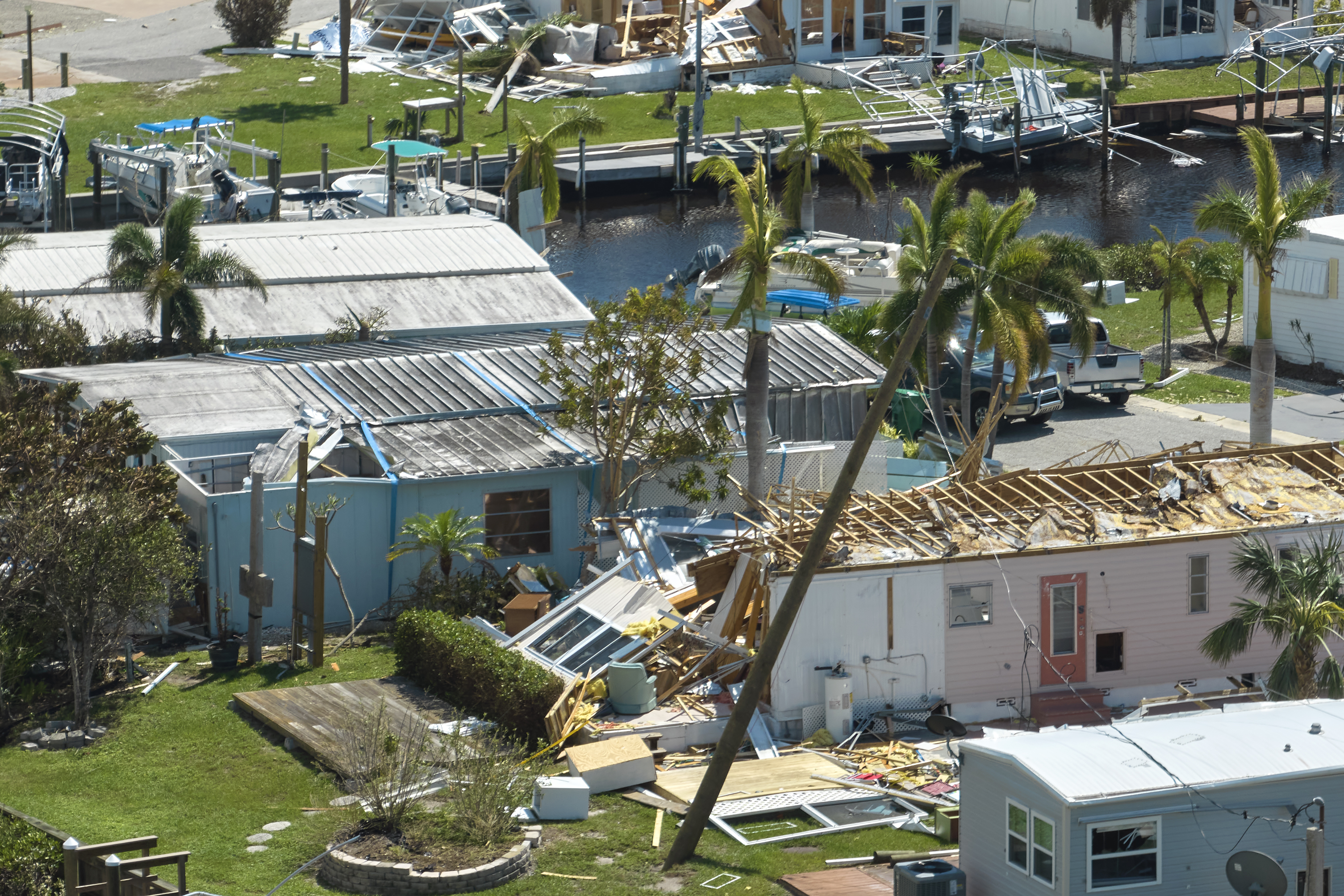
Roof damage, particularly after wind events, where the argument is almost always whether damage is storm-related or age-related. Water damage from plumbing failures, where the dispute turns on how long a leak persisted. Hurricane and windstorm damage, including the interaction of different deductibles and coverage parts. Mold, which frequently follows unresolved water intrusion. Damage to interiors resulting from a roof or envelope failure, which is often treated as a separate question from the failure itself.
Documentation Is Your Strongest Asset
Whatever stage you are at, the record you build carries the claim.
Photograph and video everything before any repairs, comprehensively rather than selectively, including areas that seem undamaged so there is a baseline. Keep every communication with the insurer in writing where you can, and note the date, time, and person for anything discussed by phone. Keep receipts for temporary repairs, accommodation, and anything you have spent because of the loss. Do not discard damaged property until it has been documented and you have been told it is safe to do so.
If you have already had contractors assess the damage, keep their estimates. Independent assessment carries weight against an insurer's own figures.
Emergency Repairs and Preventing Further Damage
You are generally expected to take reasonable steps to prevent damage from getting worse, and doing so does not prejudice your claim.
Tarping a roof, extracting standing water, and stopping an active leak are all appropriate. Document the condition before you do it, keep the receipts, and keep any materials removed where practical.
What you should not do is complete permanent repairs before the damage has been documented and inspected. Once a roof is replaced, establishing what was wrong with the old one becomes considerably harder.
The Adjuster Is Not Neutral
Homeowners often assume the adjuster who inspects the property is an independent evaluator. They are retained by the insurer.
That does not mean they are dishonest, and many are conscientious. It does mean their assessment reflects their client's interests and their own guidelines, and it is not the final word on what your loss is worth. You are entitled to your own assessment, and where the two differ substantially that gap is the dispute.
Read anything before signing it, particularly documents characterized as routine. A release resolves the claim permanently even where the damage turns out to be worse than anyone thought.
Reading Your Own Policy
Policies are long and written to be precise rather than accessible, and most people have never read theirs closely until they need it.
We go through the policy in detail — what is covered, what is excluded, how deductibles apply, whether replacement cost or actual cash value governs, and what obligations you have. Insurers sometimes rely on an exclusion that does not actually apply on a careful reading, and homeowners generally have no way to evaluate that on their own.
Deadlines and Why Delay Is Costly
Property policies contain timing requirements, and they are among the few places where waiting can quietly end a claim regardless of how strong it is.
Policies commonly require prompt notice of a loss, cooperation with the investigation, and action within defined periods. Those requirements vary by policy and by the type of loss, and they are not always obvious from a casual reading.
We would rather look at your policy early and tell you there is no urgency than have you discover a requirement after it has passed. If you have a claim that has been sitting unresolved for months, that is a reason to call now rather than to keep waiting for a response.
Contractors, Assignments, and Who Is Acting for You
After a significant loss, homeowners are approached quickly by contractors, public adjusters, and restoration companies, some excellent and some not.
Be careful about what you sign. Documents presented as authorizations to begin work sometimes transfer rights under your policy to a third party, which changes who controls your claim and who receives payment. Read anything before signing it, and be particularly wary of paperwork presented urgently while you are dealing with a damaged home.
If you have already signed something and are unsure what it was, bring it to us and we will tell you what it does.
Working With Our Firm
We review property insurance disputes at no cost and handle these matters on a contingency basis, so there is no fee unless we recover.
We work with homeowners across Miami-Dade and Broward in English and Spanish. If your claim has been denied, underpaid, or left unresolved, bring us the policy and the correspondence and we will tell you plainly what we think.