Motorcycle Accidents: How we help

Founder & Principal Attorney
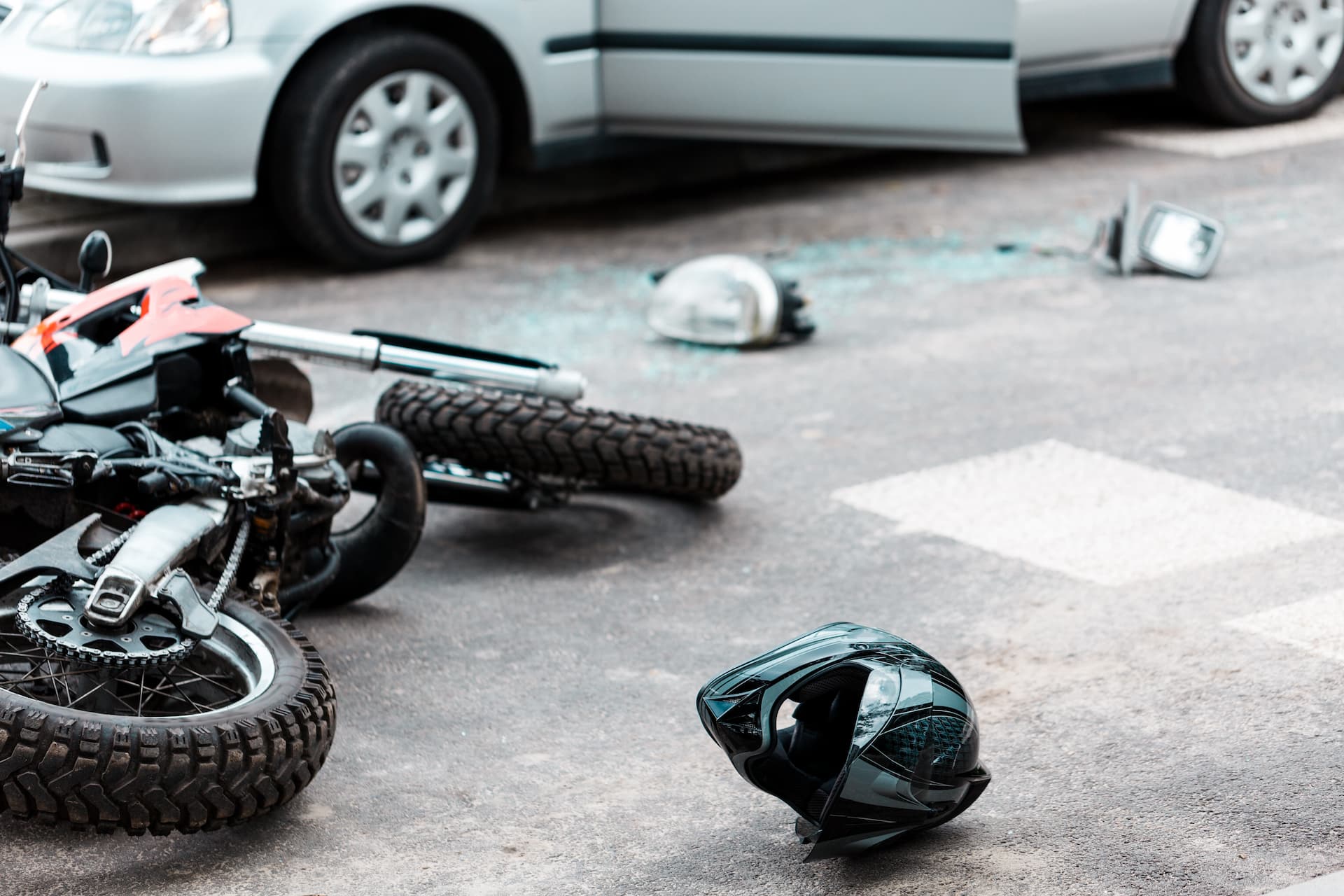
Riders know something most drivers do not: that a collision which would be a dented door in a car is a hospital stay on a bike. They also know that when it happens, a lot of people will assume it was their fault before anyone asks.
The Bias in These Cases
Motorcycle claims carry an assumption that riders are reckless, and it is present from the roadside onward. It colors witness accounts, it appears in how a scene gets described, and it shows up in what an insurer offers.
The most common real-world cause of these collisions is a driver turning across a rider's path or changing lanes into a space they did not check. The rider was frequently doing nothing unusual at all. Establishing that is not a matter of asserting it, it is a matter of physical evidence, and physical evidence does not carry an opinion about motorcycles.
What the Scene Shows
Bikes leave a legible record. Gouge marks show where the machine went down and how it traveled. Scuff patterns indicate whether the rider was braking. Damage to the fairing, tank, and pegs shows the angle of impact.
We also look at the other vehicle's damage, since where a car is struck usually resolves whether it turned into a rider's path or the rider came into it. Helmets and protective gear are worth preserving too. Riding gear that absorbed an impact is a physical record of forces the body experienced, and it is routinely thrown away in the first week by someone with no idea it mattered.
The bike itself should not be repaired or sold until someone has examined it. Insurers frequently move to total a motorcycle and dispose of it quickly, and once it is gone the most informative object in the case is unavailable to anyone. If a carrier is pressing you to release the machine, tell us before you sign anything. Arranging storage is usually straightforward, and it costs far less than losing the evidence.
Injuries Riders Actually Sustain
Without a cage, a seatbelt, or airbags, a rider absorbs the collision directly. That produces a distinct injury profile: road rash requiring debridement and grafting, complex fractures of the leg and pelvis, shoulder and collarbone injuries from the way people land, spinal trauma, and head injury even with a helmet.
These need long treatment, often multiple surgeries, and frequently leave lasting limitation. An early offer made in the first weeks will almost never reflect what the following two years will actually involve, which is a large part of why early offers get made.
Protective gear complicates the record in a way worth anticipating. A rider in full gear may walk away from a crash that would have hospitalized someone else, and an insurer will occasionally treat good equipment as evidence that the impact was minor. It was not minor. It was survivable because the rider prepared for it, and that is a distinction worth making early and clearly.
Riding Conditions Here
South Florida is ridable year-round, so exposure is constant rather than seasonal. Add heavy tourist traffic in unfamiliar rental cars, sudden downpours that slick the road surface within minutes, and congested arterials where drivers change lanes frequently, and the risk concentrates in predictable places.
We know the corridors where these collisions repeat, and that knowledge shapes where we look for cameras and witnesses.
Gear, Lane Position, and the Arguments Made About Them
Expect questions about what you were wearing, where you were in the lane, and how fast you were going. These arguments are routine, and they are answerable.
Lane position that looks aggressive to someone who has never ridden is frequently the position that maximizes visibility and escape room — a defensive choice, not a reckless one. We are comfortable explaining that, and where it helps we bring in people who can explain it with authority rather than as advocacy.
Crashes Where Nothing Ever Touched You
Riders are sometimes forced down without contact — a driver merges into their lane, and the rider brakes hard or swerves and goes down while the car continues on, sometimes genuinely unaware.
These are harder cases, because the most obvious evidence, contact damage between two vehicles, does not exist. They are not hopeless. Witnesses, camera footage, and the physical evidence of an emergency braking or avoidance maneuver can establish what forced the rider off their line.
If this happened to you, note everything you can remember about the other vehicle as soon as you are able. Details fade fast, and in a no-contact case those details do a lot of work.
Passengers on a Motorcycle
A passenger injured in a motorcycle crash is in a different position from the rider, because they were not operating anything. That can mean a straightforward claim, and it can also mean an uncomfortable one, since the rider is frequently a partner or a friend.
As with dog bite claims, this is usually a question of insurance rather than of a person's personal finances, and understanding that tends to change how people feel about proceeding. We are glad to walk through how it would work before anyone decides anything.
Working With Our Firm
We represent riders on contingency, so there is no fee to speak with us and no attorney fee unless we recover for you. We serve Miami-Dade, Broward, and surrounding counties, in English and Spanish.
If you went down because of another driver, get in touch before your bike is repaired or scrapped and before your gear is discarded. Both are evidence, and both tend to disappear quickly.