Negligent Security: How we help

Founder & Principal Attorney
These are difficult cases, because the person who directly caused the harm is a criminal, and the claim is against a business that made it easier than it should have been. Clients sometimes hesitate for that reason. It is worth saying plainly that holding a property accountable for inadequate security takes nothing away from the responsibility of the person who attacked you.
What This Type of Claim Is About
A negligent security claim asks whether a property owner or operator took reasonable measures to protect people who were lawfully there, given what they knew about the risk.
It comes up in apartment complexes, hotels, parking garages and lots, bars and nightclubs, shopping centers, and office buildings. The question is never whether a business can guarantee safety — none can. It is whether reasonable, ordinary steps were taken by a business that had good reason to know something like this could happen.
Foreseeability Is the Center of the Case
Everything turns on what the property knew or should have known before the incident.
We look for prior crimes at the location and in the immediate area, calls for service to the address, complaints from tenants or guests about lighting, broken locks, or people loitering, and internal communications about security concerns. A property with a documented history of similar incidents is in a very different position from one where this genuinely came out of nowhere.
That history is not visible to a customer or a resident. It has to be assembled from records held by the business and by public agencies, and requesting it promptly matters.
Public records are a substantial part of this work. Incident data for an address and the surrounding blocks can establish a pattern that a property will say it had no way to anticipate. Obtaining and reading that data properly takes time, which is another reason these cases benefit from an early start rather than a decision made close to the point when options begin to narrow.
What Reasonable Measures Look Like
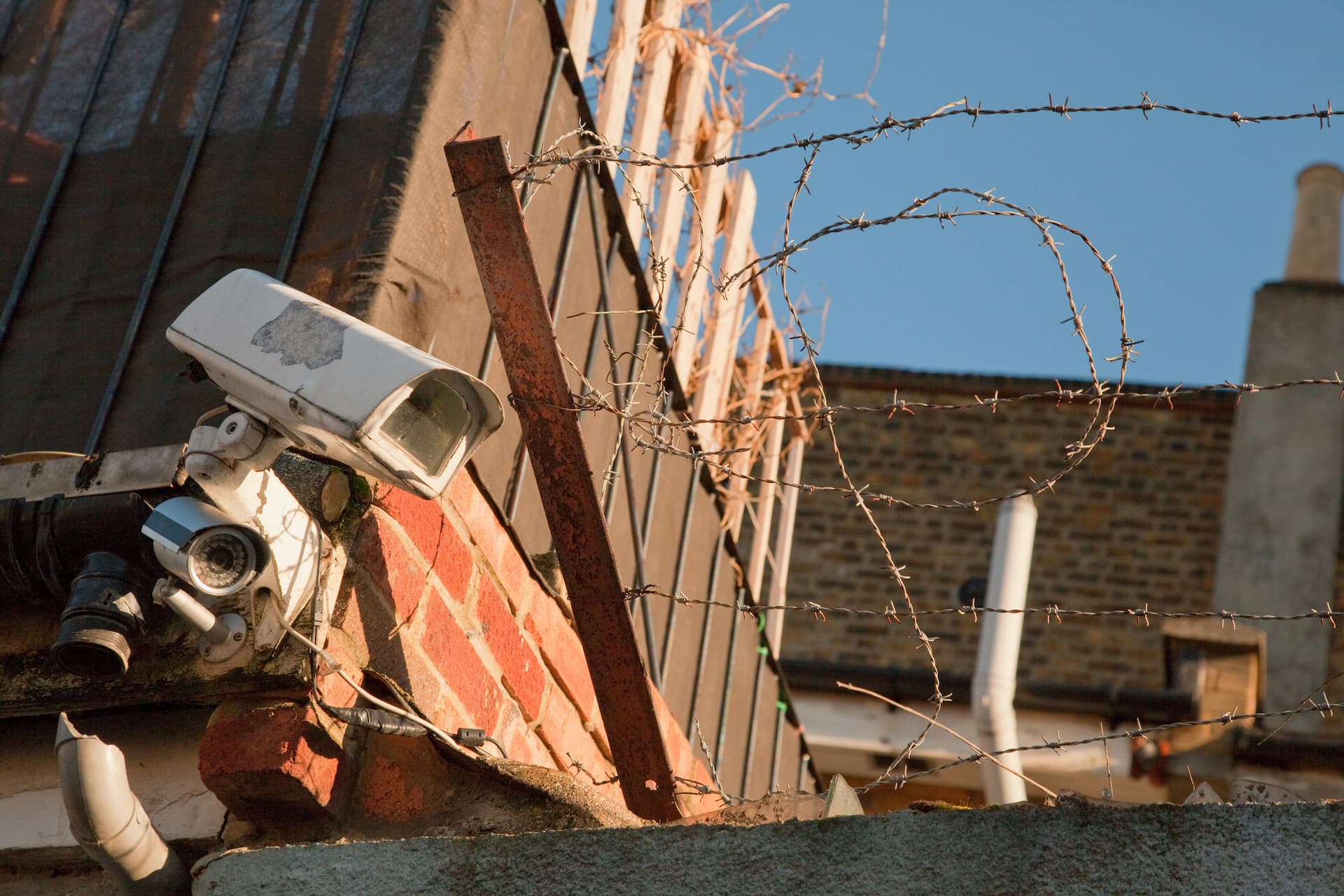
Depending on the setting and the known risk, this can involve functioning locks on doors and gates, adequate lighting in parking areas and walkways, working cameras positioned where they are useful, controlled access where it was advertised or promised, security personnel where the circumstances call for it, and maintenance of fencing and landscaping that affects visibility.
A recurring pattern in these cases is a measure that existed on paper but not in practice — a camera that was not recording, a gate propped open for months, a guard position that had quietly been eliminated. Establishing the difference between the advertised and the actual is often the heart of the work.
What a property advertised matters as much as what it installed. Listings and signage promising gated parking, controlled access, or on-site security set an expectation that residents and guests relied on when they chose the place. Where the promise and the reality diverge, that gap is documented in the property's own marketing.
Evidence That Goes Quickly
Security footage from the incident itself is the priority, and it is on the same short retention cycles as any other system. Beyond that, properties tend to respond to a serious incident by improving things — the light gets fixed, the gate gets repaired, a guard appears.
Those changes are appropriate, and they also erase the conditions as they were. Documenting the state of the property as it was on the night matters, and the window for it is short.
Handling These Cases With Care
Clients in these matters have often been through something violent, and the legal process asks them to revisit it. We try to take as much of that weight as we can — working from records and other witnesses where possible, preparing you thoroughly before anything difficult, and being straightforward about what a given step will involve.
Hotels, Nightlife Venues, and Parking Structures
Certain settings generate these claims repeatedly, and each carries its own expectations.
Hotels and short-term rentals involve guests who are unfamiliar with the area and reasonably rely on the property's judgment about safety, including working locks and controlled access to floors and parking. Bars and nightclubs raise questions about crowd management, staffing levels, and how known conflicts were handled before they escalated. Parking garages and lots combine isolation, poor sightlines, and lighting that is often inadequate at exactly the hours it matters.
Apartment complexes are their own category, because residents are not passing through. They live there, they frequently complained beforehand, and there is usually a written record of it.
What We Ask of You, and What We Do Not
People are sometimes reluctant to call because they expect to be asked to recount everything immediately. That is not how we work.
The early stages depend far more on records and physical evidence than on your account, and much of it can proceed while you decide how much you want to be involved. When we do need to go through difficult material, we tell you in advance why it is necessary and what will be done with it.
You are also entitled to stop, take time, and continue later. That is a normal part of these cases rather than a complication.
Working With Our Firm
We handle negligent security claims on contingency, so there is no fee to talk with us and no attorney fee unless we recover for you. We work across Miami-Dade and Broward, in English and Spanish.
If you were assaulted or injured on a property that should have been secured, an early conversation lets us pursue the footage and the records while they still exist.