Nursing Home Abuse: How we help

Founder & Principal Attorney
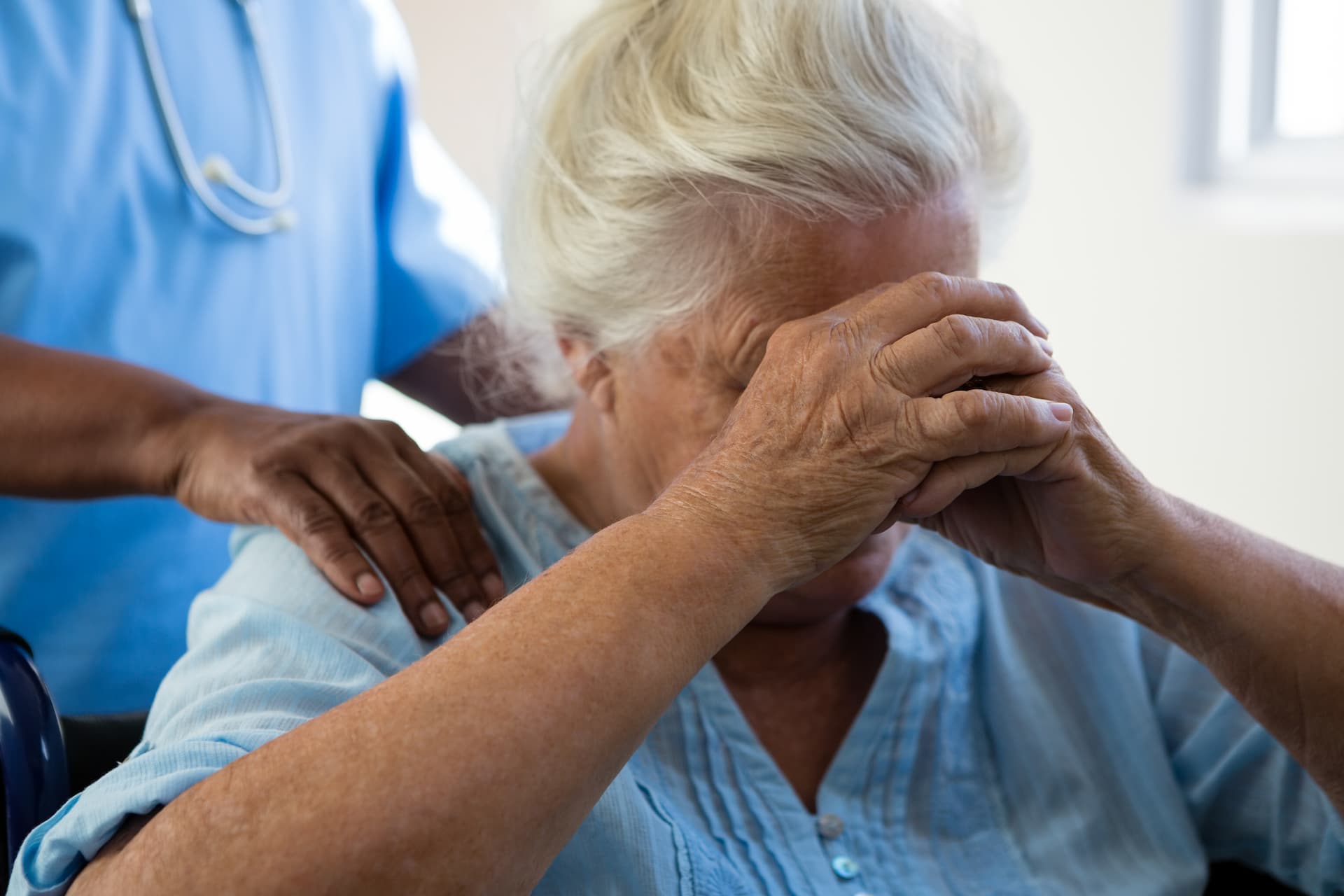
Placing a parent in a nursing home is a decision most families agonize over, made because the care needed exceeded what could be provided at home. When that trust is broken, families carry guilt alongside anger. The guilt is misplaced — you relied on people who held themselves out as capable of providing care.
Staffing Is Usually the Root Cause
Most nursing home harm is not the result of deliberate cruelty. It is the predictable consequence of too few staff caring for too many residents.
A resident who needs repositioning every two hours does not get repositioned, and pressure sores develop. A resident who needs help eating is left with a tray they cannot manage, and they lose weight. A resident at risk of falling is not supervised, and they fall. Call lights go unanswered because there is nobody free to answer them.
This matters because staffing is documented. Schedules, timesheets, and census records show how many people were actually working against how many residents needed care, and that comparison is frequently where these cases are decided.
The Records That Tell the Story
Facilities generate extensive documentation, and it is more revealing than most families expect.
Care plans set out what each resident requires. Charting shows what was actually done — and gaps in charting are themselves significant. Medication administration records show what was given and when. Wound documentation tracks whether a pressure injury was identified early and treated, or discovered late. Fall and incident reports show what happened before. Weight logs show decline over time in a way no single observation captures.
We obtain the complete record rather than a summary, and we read it against the care plan the facility itself wrote.
Common Failures We See
Certain patterns recur across these cases.
Pressure injuries that developed and worsened, which are largely preventable with proper repositioning and skin care. Falls in residents already assessed as being at risk. Dehydration and malnutrition. Medication errors, including doses missed, doubled, or given to the wrong resident. Infections that went unrecognized until a resident required hospitalization. Residents leaving the facility unsupervised. Failure to notify family of a significant change.
Each of these has a documentary trail if you know where to look for it.
The Facility's Own History
Nursing homes are inspected and their results are recorded, which means a facility's past is knowable rather than a matter of speculation.
Prior deficiencies, complaint investigations, and enforcement actions establish whether a problem was known and recurring. A facility cited previously for staffing or wound care is in a very different position from one facing a first allegation. Ownership structure matters too, since chains and management companies sometimes make budget decisions that produce the same failures across multiple locations.
What Families Are Told
Families frequently receive explanations that sound plausible and do not survive examination against the record.
That a pressure sore was unavoidable. That a fall happened despite every precaution. That weight loss was simply part of decline. That an injury has no known cause. Sometimes these are accurate. Often the chart shows something different, and a family who accepted the explanation had no way to know.
You are entitled to your relative's records, and if you have already requested them, bring what you received. What is missing is frequently as informative as what is there.
When a Resident Cannot Tell You
Many residents cannot report what happened to them, whether because of dementia, stroke, or the effects of their condition. Families sometimes assume this makes a case impossible.
It does not. These cases are built on records, on the physical evidence of the injury, and on what the timeline shows, none of which depends on the resident's testimony. If your relative cannot tell you what happened, that is a reason to look at the documentation rather than a reason to give up.
Understaffing Is a Budget Decision
It is worth being clear about why facilities are understaffed, because it bears directly on responsibility.
Staffing levels are set by owners and management companies, not by the aides doing the work. Those decisions are made with knowledge of how many residents need care and what that care requires. When a facility operates below what its own resident population demands, the resulting harm is a foreseeable consequence of a budget choice rather than an accident.
The aides on the floor are usually doing their best in conditions that make adequate care impossible. Our cases are generally about the decisions above them.
What to Do If You Suspect Something Now
If you are worried about a resident today, a few steps are worth taking straight away.
Photograph any visible injury, pressure sore, or concerning condition, with dates. Write down what you observed and when, including what staff told you, while it is fresh. Request the complete medical record in writing. Raise the concern with the facility in writing rather than verbally, so there is a record that you did. Where a resident is in immediate danger, contact the appropriate agencies.
Then call us. Records requests are answered more completely when they come from a lawyer, and we can pursue material a family will not be given.
Working With Our Firm
We review nursing home concerns at no cost and take these cases on contingency, so there is no attorney fee unless we recover.
We work with families across Miami-Dade and Broward in English and Spanish. If you believe your relative was harmed by the facility caring for them, call us and we will start with the records.