Pedestrian Accidents: How we help

Founder & Principal Attorney
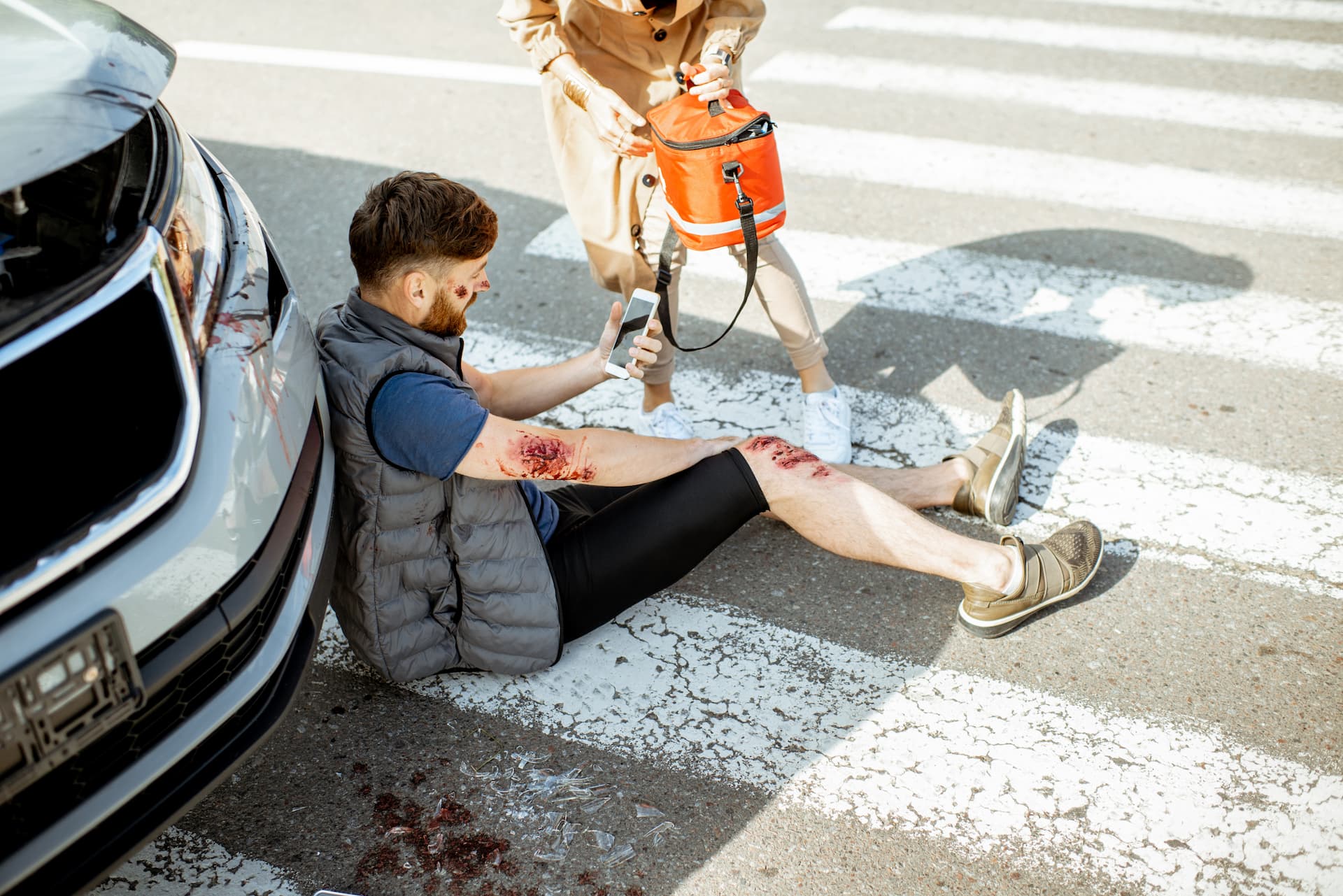
A person on foot has nothing between them and a vehicle. That single fact explains why pedestrian collisions produce such severe injuries at speeds a driver would walk away from, and why these claims are defended so aggressively.
The Assumption You Will Have to Overcome
Pedestrian cases arrive with a built-in argument waiting for them: that the person on foot stepped out, was not paying attention, was not where they should have been. It surfaces almost immediately, often before anyone has looked at where the crossings actually are or how the intersection is lit.
Sometimes there is something to it. Frequently there is not, and it persists because the person best placed to contradict it is in a hospital. Our first job is usually to replace an assumption with a reconstruction.
Reading the Scene
Where a person was struck, and where they and their belongings came to rest, says a great deal about speed and direction. So does the damage pattern on the vehicle — whether the impact was to the front, the corner, or the side changes the story of who arrived where first.
We look at sightlines from the driver's actual position, which are often worse than a diagram suggests once parked vehicles, landscaping, and signage are accounted for. We look at whether the nearest crossing is where a reasonable person would expect it to be, or whether it is several hundred feet away with no median, which is a design question rather than a personal failing.
Clothing matters here as evidence rather than as blame. What someone was wearing, and whether it was reflective, bears on visibility, and insurers raise it constantly. It is worth answering with measurements of actual lighting at the location rather than with an argument about what a person ought to have chosen to wear that evening. We photograph the site at the same hour and in comparable conditions wherever we can, because a intersection at two in the afternoon looks nothing like the same intersection at the moment someone was struck.
Light, Weather, and Time of Day
A striking number of these collisions happen at dusk or after dark. Headlights, streetlight placement, glare from a low sun on an east-west road, and rain all bear on what a driver could actually see and how far ahead.
We establish the conditions precisely rather than approximately, because the difference between a driver who could not have seen someone and one who was not looking is the entire case, and it turns on details that are easy to reconstruct early and nearly impossible later.
The Vehicles and Roads Here
South Florida has particular hazards for people on foot. Wide multi-lane arterials with long distances between crossings. High volumes of visiting drivers navigating by phone. Large numbers of residents who walk or take transit as their primary means of getting around. Rideshare and delivery vehicles stopping wherever a passenger or a package happens to be.
These conditions come up repeatedly in the cases we see, and they matter because they establish that a driver was operating somewhere that demanded more attention, not less.
Injuries and What Comes After
Pedestrian injuries tend to be orthopedic and neurological — fractures needing surgical repair, head injuries, and damage that changes how someone moves for the rest of their life. Recovery is measured in months and sometimes does not finish.
We document not only the treatment but what the injury has done to ordinary life: whether you can stand for a shift, manage stairs at home, or get where you need to go if walking was how you got there. For someone who does not drive, a leg injury is not only painful; it can remove their independence entirely, and a claim should reflect that.
If the Driver Left the Scene
A meaningful share of pedestrian collisions are hit-and-run, and people often assume that ends the matter. It frequently does not.
Vehicles that leave a scene are identified more often than most people expect, through debris left behind, paint transfer, nearby camera coverage, and body shops that see the damage afterward. We pursue those avenues rather than waiting to learn whether anyone else does.
Even where a driver is never identified, there may be avenues worth examining depending on the circumstances, and it is worth having someone look rather than assuming there is nothing there. We would rather tell you after looking that there is no path forward than have you conclude it on your own.
When the Pedestrian Is a Child or an Older Adult
Children and older adults are overrepresented in these collisions, and both require particular care.
Children do not judge speed and distance the way adults do, which is a developmental fact rather than carelessness, and it is worth stating clearly when someone tries to blame a child for being a child. Injuries to a growing child can also require attention over years as they develop.
For older pedestrians, a fracture that a younger person would recover from can permanently change independence. Documenting what someone could do before, and what they can do now, is central to these cases.
Working With Our Firm
We handle pedestrian injury claims on contingency. Nothing to talk to us, and no attorney fee unless we recover for you. We work throughout Miami-Dade and Broward, in English and Spanish.
If you or a family member was struck while walking, call before giving any statement about what happened. The account of a crash tends to harden quickly, and it is far better to have someone establishing the facts than correcting a version of them.