Slip and Fall: How we help

Founder & Principal Attorney
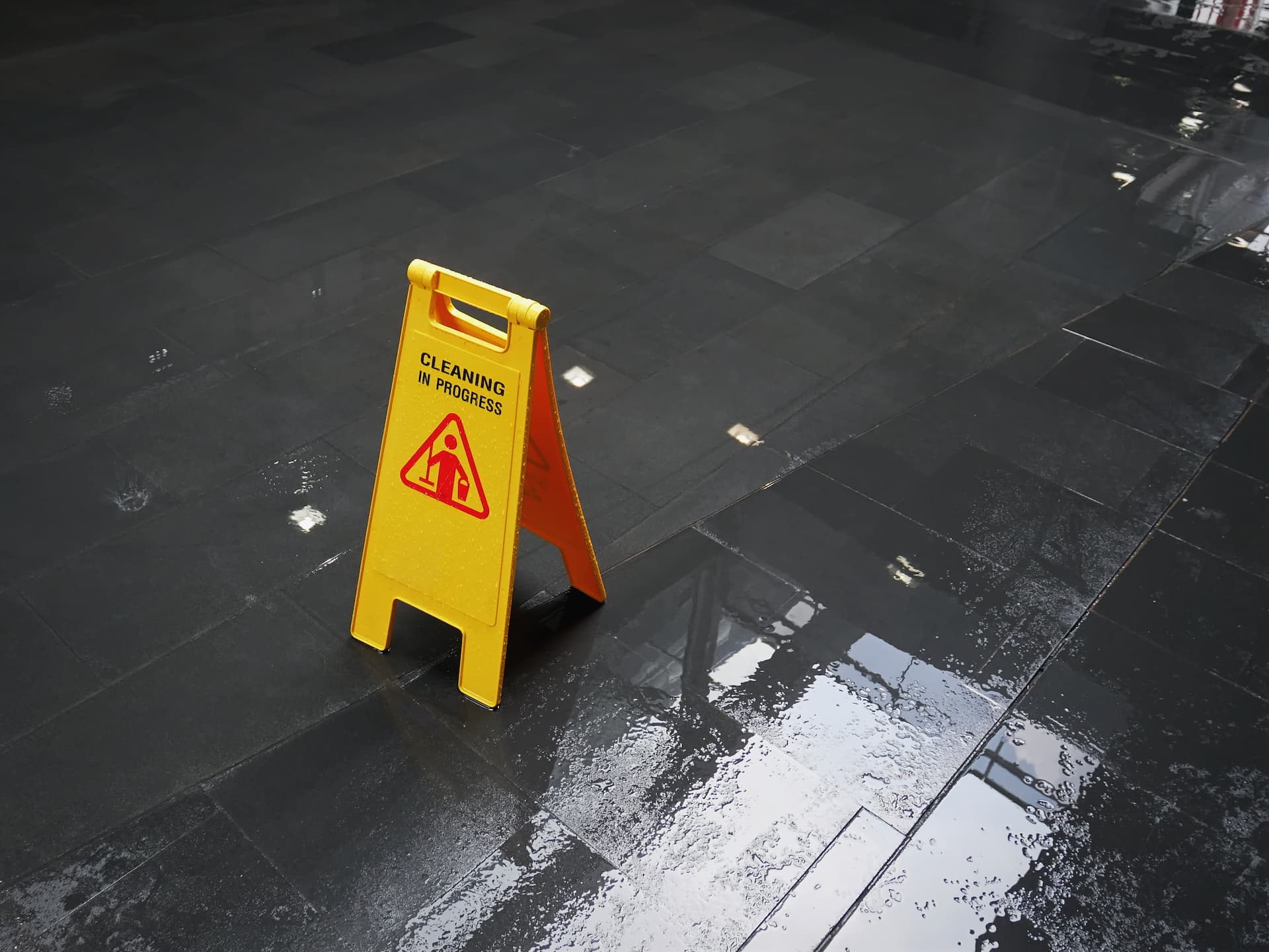
Slip and fall cases have a reputation for being simple, and they are not. A fall on someone else's property is one of the harder claims to prove, because the thing that caused it — a spill, a leak, a slick patch of floor — is usually cleaned up within minutes and is gone long before anyone thinks about a lawyer.
Why These Cases Turn on Documentation
In most injury claims the cause is still visible afterward. A damaged vehicle sits in a lot. A defective product can be examined. A wet floor is mopped, the aisle reopens, and by the time you have seen a doctor there is no physical trace that anything was ever there.
What remains is documentation, and whoever controls the property controls most of it. The store has the video. The store has the incident report. The store has the cleaning logs and the maintenance schedule. You have your memory and, if you were quick and lucky, a photograph on your phone.
This is why we tell people to photograph the hazard before they leave, if they are physically able. A picture taken in the moment is worth more than a great deal of later argument.
The Evidence That Vanishes First
Surveillance video is the single most valuable item in a fall case and the most likely to be lost. Many systems retain footage on a rolling loop, sometimes only for a couple of weeks, and once it cycles it is unrecoverable. Businesses are generally not obligated to save anything simply because someone fell, and in our experience footage is rarely preserved on a property's own initiative.
We send preservation letters as soon as we are retained, identifying the specific cameras and the specific window we need. Doing this in week one is routine. Doing it in month three is often too late, and the difference is not effort — it is timing.
Incident Reports and What They Leave Out
If you reported the fall, the property almost certainly created a report. Those documents are useful, and they are also written by the business, frequently by a manager whose employer will be defending the claim.
We look closely at what such reports record and what they omit — whether the hazard is described at all, whether the report notes how long it had been there, whether employees who were nearby are identified, whether it mentions that you asked for help. We also request the records that surround the report, such as inspection sheets and cleaning schedules, which frequently say more than the report itself.
If you were not able to report the fall on the day — because you left in an ambulance, or because you did not realize how badly you were hurt until that evening — that is not fatal to a claim. It simply means the other sources of proof carry more weight, and it is another reason to have someone start gathering them promptly.
The Property's Maintenance History
A single spill is an event. A recurring leak is a pattern, and patterns matter. We look for prior complaints about the same area, repair records showing a known problem, and other incidents at the same location.
That history is not visible to a customer walking through the door, and it is not something a property volunteers. It has to be requested, and knowing which records to ask for is most of the work.
We also look at whether the area was one the property already treated as a problem, since a location that gets extra attention on a checklist is a location somebody had concerns about.
Common Arguments From the Property's Insurer
Fall claims draw a familiar set of responses, and none of them should surprise you:
- That you should have seen the hazard and walked around it
- That your footwear or your phone was the real cause
- That nobody at the property knew about the condition
- That the injury came from something else, or existed before the fall
- That the delay between the fall and your first medical visit shows you were not badly hurt
Each of these is answerable, but they are answered with evidence gathered early rather than with argument made late. That is the entire reason these cases reward moving quickly.
Where These Falls Happen Here
The settings recur, and each brings its own evidence questions.
Grocery stores and big-box retailers generate spills constantly and usually run inspection routines, which means there is a record of whether the routine was followed. Restaurants involve kitchen runoff and entryways that turn slick in the afternoon rain. Hotels and resorts see falls around pool decks and lobbies, often involving guests who fly home days later. Apartment buildings and condominiums raise questions about stairwells, walkways, and lighting, and about a management company that has usually heard the complaint before. Parking garages combine poor lighting, uneven surfaces, and vehicle fluid.
Rain matters more here than people from elsewhere expect. A brief afternoon storm turns polished entryway tile into a hazard within minutes, several times a week, which is exactly why the question of what a property does about it is a fair one.
Working With Our Firm
We handle premises injury claims on contingency — no fee to talk, no attorney fee unless we recover for you. We represent people hurt in stores, restaurants, hotels, apartment buildings, parking structures, and public spaces throughout Miami-Dade and Broward, in English and Spanish.
If you fell recently, call before the video cycles. That single step changes more cases than anything else we do.