Trip and Fall: How we help

Founder & Principal Attorney
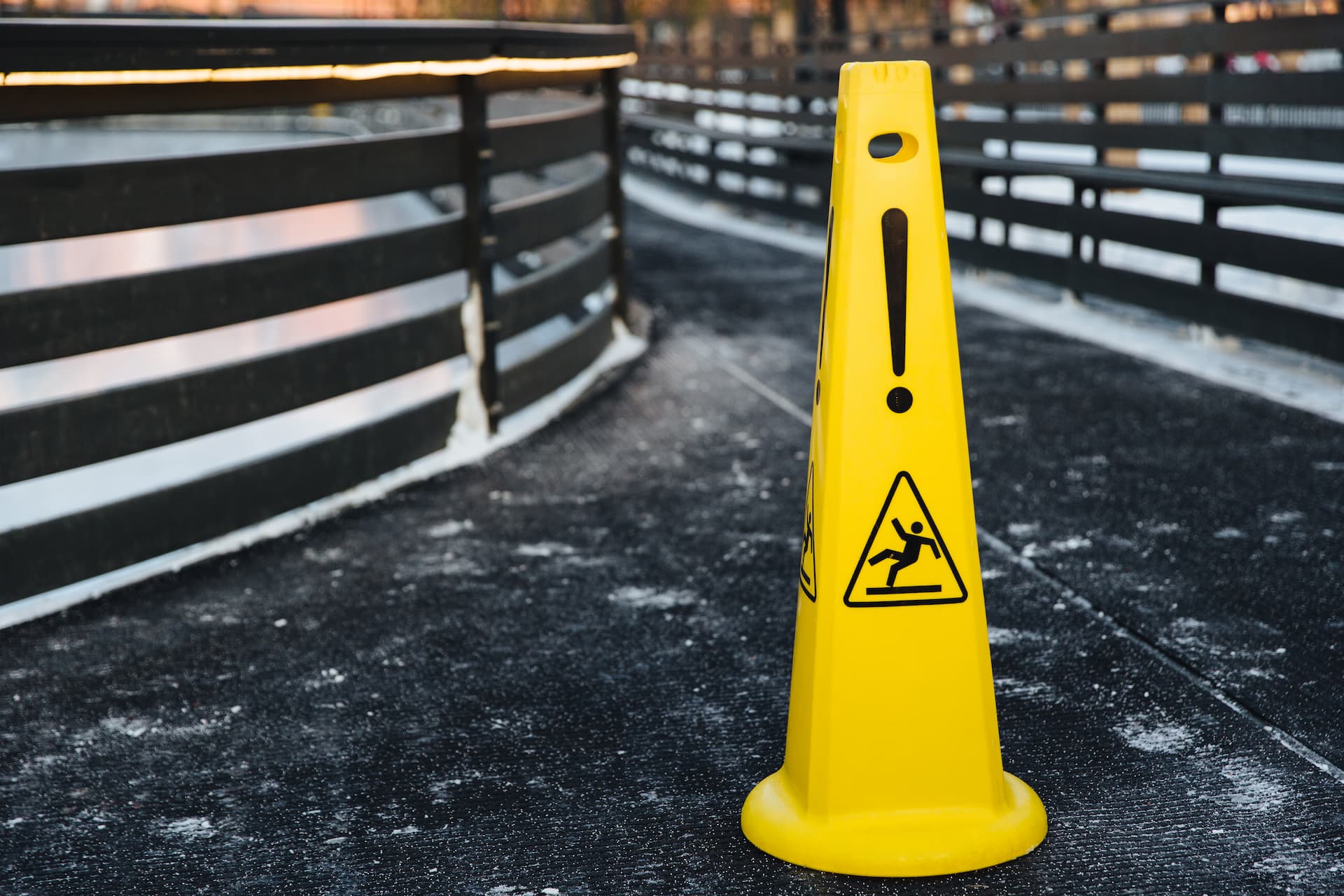
A trip is different from a slip, and the distinction is not pedantic. A slip involves losing traction on a surface. A trip involves a foot catching on something that should not have been there, and that difference changes what has to be proven and what evidence matters.
What Actually Causes These Falls
Trips are caused by physical defects and obstructions rather than by slick surfaces.
Uneven pavement and sidewalk slabs displaced by roots or settling. Broken or missing tiles. Thresholds and transitions between floor surfaces. Wrinkled or unsecured mats and carpet edges. Cables and cords across walkways. Merchandise, stock, and equipment left in aisles. Steps of inconsistent height, which is a particularly common cause because people walk stairs by rhythm rather than by looking. Unmarked single steps and level changes. Missing or inadequate handrails.
Most of these are conditions that persisted, sometimes for a long time, which affects what a property can credibly say about not knowing.
The Defect Will Be Repaired
The single most important practical fact about these cases is that the hazard usually gets fixed, and quickly.
The raised slab gets ground down. The broken tile is replaced. The mat is secured. This is the right thing for the property to do and it is also the removal of the central evidence in your case.
Photographs taken before the repair are enormously valuable, ideally including something for scale next to the defect, since the height of a raised edge is frequently the whole argument. If you did not photograph it, tell us immediately so we can try to document the condition before it is corrected, or establish what it was through other means.
How Long Was It Like That
Because trip hazards develop over time rather than appearing in an instant, the question of duration is central and usually answerable.
A sidewalk slab lifted by a root did not lift overnight. Worn and broken tile deteriorated progressively. Where a defect has clearly existed for months, the argument that nobody knew about it becomes difficult to sustain.
We look for evidence of duration in the condition itself, in prior photographs of the location including public imagery, in complaint and work-order records, and in prior incidents at the same spot. A defect that has caused a fall before is a very different matter.
Lighting and Visibility
Many trips happen because a defect that would be avoidable in good light was not visible.
Poor lighting in stairwells, parking structures, and walkways is itself a condition a property is responsible for, and the interaction between a modest defect and inadequate lighting is often the real cause. Distracting or misleading floor patterns, glare, and abrupt changes in light level as someone moves from outside to inside all contribute.
We assess conditions at the same time of day, because a location documented at noon tells you very little about how it was at nine in the evening.
Sidewalks and Public Property
A large share of trips happen on sidewalks and in public spaces, and those cases carry an additional layer.
Responsibility may sit with a municipality, a county, an adjacent property owner, or a utility whose work left the surface uneven. Claims involving public entities carry notice requirements and timing considerations that do not apply to private property, and missing them can end a claim regardless of its merits.
Establishing who is responsible for a given stretch of pavement is not always obvious from looking at it, and it is early work worth doing properly.
The Arguments You Should Expect
Trip cases attract a predictable defense: that the defect was open and obvious, that you were not looking where you were going, that you were distracted by your phone, or that footwear was to blame.
The open and obvious argument is the most common. It has less force than it sounds, because pedestrians are not expected to walk with their eyes fixed on the ground, and a defect is frequently invisible from the direction someone was actually approaching it.
Stairs Deserve Their Own Mention
A large share of the most serious trip injuries happen on stairs, and stairs fail in specific, documentable ways.
Inconsistent riser heights are the classic cause. People climb and descend stairs by rhythm rather than by looking at each step, so a single step that differs from the others by even a small amount will catch a foot. Worn nosings, missing or loose handrails, inadequate lighting on landings, and treads that have been resurfaced unevenly all contribute.
These are measurable conditions rather than matters of opinion, which makes stair cases unusually amenable to proper documentation — provided someone measures before the repair.
Injuries From Trips Are Not Minor
There is a persistent assumption that a fall is embarrassing rather than serious, and it leads people to downplay what happened.
Because a trip pitches someone forward with no time to react, the instinctive response is to put out a hand, which is why wrist and forearm fractures are so common. Facial and dental injuries occur where there was no time even for that. Head injuries happen without any loss of consciousness. Shoulder and hip injuries are frequent, and in older adults a hip fracture can permanently end independent living.
If you fell and told everyone you were fine, that is worth revisiting rather than living with.
Working With Our Firm
We take trip and fall claims on contingency, with no fee to talk and no attorney fee unless we recover for you. We represent people injured on private and public property across Miami-Dade and Broward, in English and Spanish.
If you tripped on something that should have been fixed, call before it is fixed. That timing is the difference in these cases.