Uber & Lyft Accidents: How we help

Founder & Principal Attorney
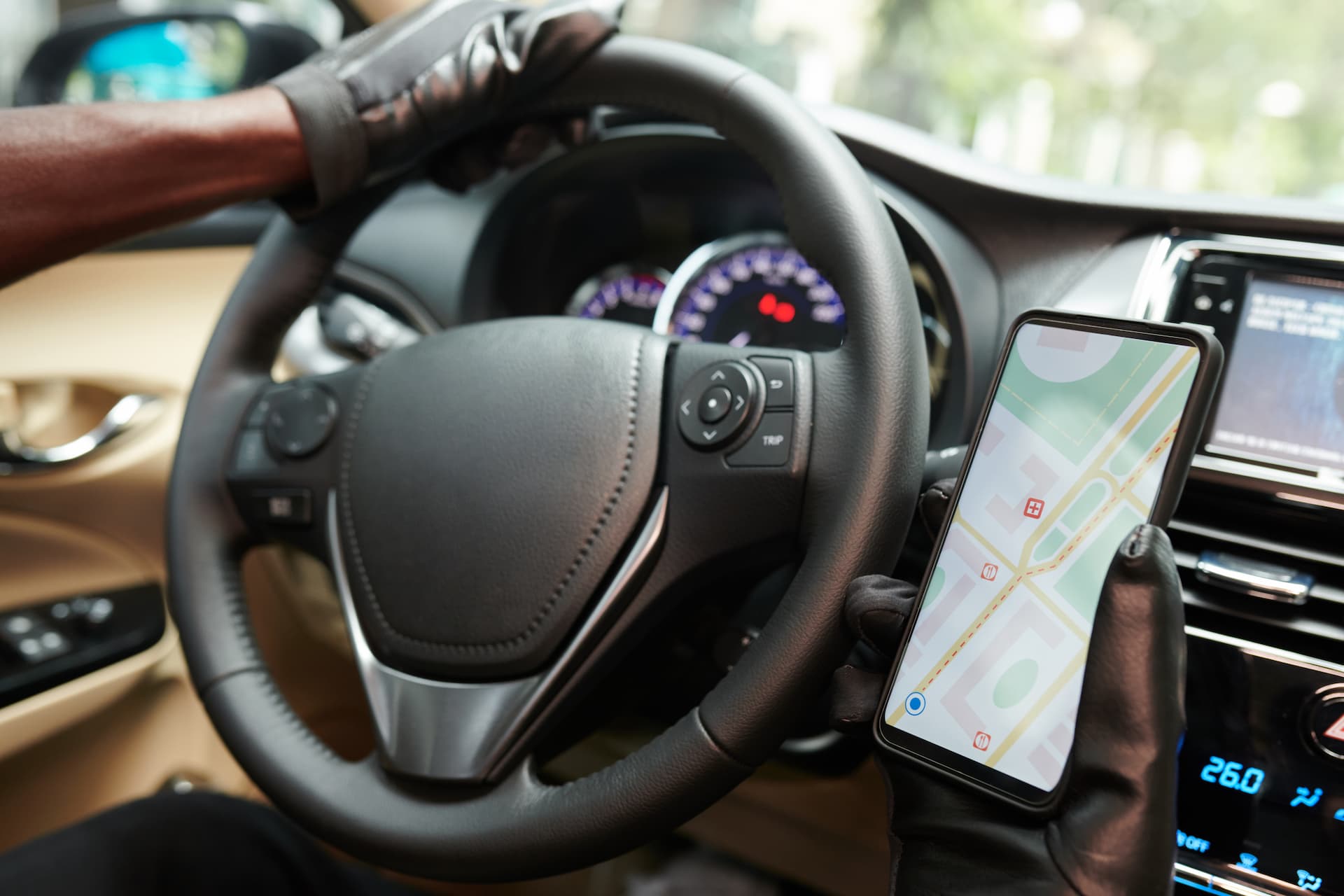
Rideshare crashes look ordinary from the roadside and turn out to be anything but. There is an additional company involved, a digital record of the trip, and a set of questions about what the driver was doing at that exact moment that do not arise in a normal collision.
Rideshare Crashes Have More Moving Parts
In a typical two-car crash there are two drivers and two insurers. In a rideshare crash there is a driver, a transportation network company, the company's own coverage arrangements, the driver's personal policy, and often a passenger who was simply along for the ride and had no part in what happened.
That complexity cuts in different directions depending on who you are. A passenger is usually in a strong position, having done nothing but sit in a back seat. A person struck by a rideshare vehicle may face more of a fight about whose responsibility it was. A rideshare driver hurt by someone else's negligence sits somewhere in between. We handle all three situations, and they are not the same case.
What the Driver Was Doing at the Time Matters
Rideshare companies distinguish between a driver who is offline, a driver who has the app on and is waiting for a request, a driver on the way to a pickup, and a driver with a passenger in the car. Those states are treated differently, and which one applied at the moment of impact can meaningfully change what coverage is available.
This is not something a person at the scene can determine, and it is not something to take the driver's word on. It is established from records. Establishing it early tends to shape everything downstream, so it is one of the first questions we work on.
The App Data We Request
The useful thing about rideshare cases is that the trip leaves a digital trail. Trip records show when the ride was accepted, the route taken, and the timing of each stage. Location data can corroborate speed and position. In-app messages and the driver's history with the platform can be relevant depending on what happened.
We pursue this information directly from the company. Passengers should also preserve what they have on their own phones — the trip receipt, the driver's name and vehicle, screenshots of the ride in progress. That material is straightforward to save on the day and surprisingly difficult to reconstruct months later once an account has been used for hundreds of subsequent trips.
Passengers, Other Drivers, and Pedestrians
If you were a passenger, you generally have no exposure to any argument about fault, because you were not driving. That does not mean the claim is simple. It means the fight is usually about the severity of your injuries rather than about who caused the crash, and that is a different kind of case to build.
If you were in another vehicle or on foot, expect more scrutiny of how the collision happened. Rideshare drivers are often navigating unfamiliar streets, watching a phone for the next turn, and stopping in places that are not really stopping places. Those behaviors are relevant, and documenting them takes the same investigative work as any other crash — witnesses, video, and the physical evidence at the scene.
It is also common for several people to be hurt in the same rideshare collision with quite different positions — a passenger, the driver, and someone in another vehicle may each have a distinct claim arising from one event. We are careful about that at the outset, because representing people whose interests may not align is not something to discover halfway through.
Documenting Your Injuries
Because a rideshare passenger is often a visitor to South Florida, treatment sometimes begins here and continues somewhere else entirely. That split creates a record scattered across providers and states, which is exactly the kind of gap an insurer will use to argue the injury was minor or unrelated.
We help clients keep that record coherent regardless of where they end up being treated. If you were visiting Miami when the crash happened and have since gone home, that does not prevent us from handling your claim.
If You Drive for a Rideshare Platform
Drivers hurt by someone else's negligence are in an awkward spot. You were working, your vehicle is your income, and time off the road costs you directly. Deactivation worries are common, and so is uncertainty about whether making a claim causes problems with the platform.
Those are reasonable concerns and worth talking through with someone who is not the company. Your vehicle being out of service is a real loss, not an afterthought, and the record of your trips — which we can obtain — often establishes both what you were doing and what you were earning before the crash.
We represent drivers as well as passengers and other motorists. If you drive for a platform and someone else caused your crash, the fact that you were working does not diminish your claim.
Working With Our Firm
We work on contingency, so there is no fee to talk and no attorney fee unless we recover for you. We handle rideshare claims across Miami-Dade and Broward for passengers, other motorists, pedestrians, and drivers, in English and Spanish.
If you have been contacted by anyone asking you to describe the crash or accept a quick resolution, talk to us before you respond. Those conversations are much easier to have before a statement exists than after.